Most 3-room BTO master bedrooms clock in at 12 sqm. That number looks generous until the door opens. A standard swing eats 600mm of your floor plan. You need 600mm clearance between bed frame and wall. Most people ignore the door swing until they try to walk past the bed. Measure the room including wardrobes to ensure the bed fits without blocking the main passage — it is always better to measure twice than to struggle with a tight squeeze later when you are trying to get to the bathroom.
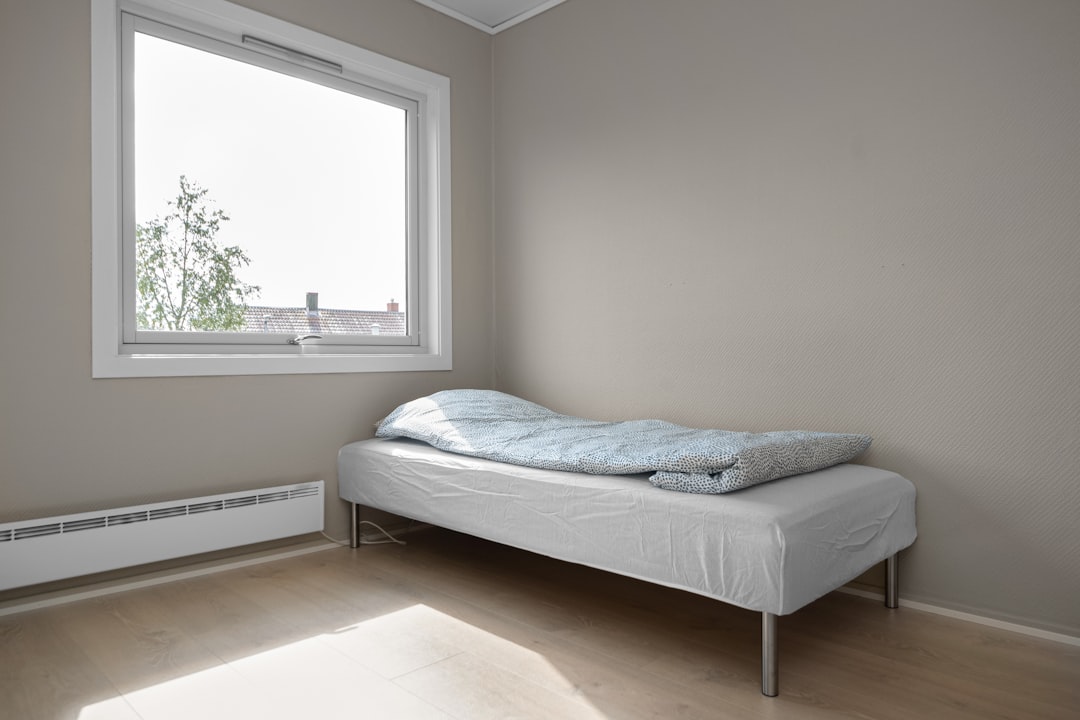
A 600mm gap isn't just advice. It is the minimum walkway clearance needed between bed frame and wall. Without it, you won't get past the side of the mattress. Super single bed frame width is 107cm. Just add the clearance space to the calculation. The math gets tight fast in small rooms. Need clearance? Super single is the size that quietly solves the most Singapore bedroom problems: at 107 by 190cm it's 16cm wider than a standard single, enough for a growing teen or a solo adult to stretch out, without swallowing the floor the way a queen does in a common bedroom. It slots neatly between a single and a queen — the sweet spot when a full queen frame simply won't fit. A super single bed frame suits the room that has to double as a study, the guest room, and the child's room that needs to last a few more years. As a rough guide you want around 9 to 10 sqm of floor for it to sit without feeling boxed in. The choices that matter are a sturdy slatted base and whether you want storage built in, since the rooms super singles go in are usually the ones short on cupboards.. 600mm. A Queen frame might block the passage entirely in a 3-room flat where space is at a premium and every single centimetre counts towards your daily movement around the room.
Start measuring from the door hinge. Wardrobes often protrude into the room. You must account for their depth before picking the bed and ensure the door swing does not interfere with the wardrobe handles or the bed frame itself. A tight fit means you cannot open the wardrobe fully. That defeats the purpose of storage. Don't assume the wall is flat. Skirting boards eat 1-2cm. You cannot ignore this.
West-facing windows turn bedrooms into ovens by 3pm. Direct sunlight fades mattress fabric within months. Heat builds up under the mattress too. Platform frames sit low, trapping warmth against the floor. Avoid placing the headboard directly against the glass, but a small gap helps air circulate behind the frame. This prevents mould growth in humid months. You lose sleep if the room stays hot after sunset. UV rays degrade foam density over time. The heat also affects the frame joints where glue softens in sustained heat.
Some owners push the bed under the window for space. This works if the air grill remains clear. Ventilation efficiency drops if blockage occurs. Check grill location. A super single bed frame fits most 12 sqm rooms, but clearance matters because leaving sixty centimetres on the exit side ensures flow does not die if furniture blocks the path. Airflow is critical for humidity control. Without it, moisture sits inside the room. You get dampness on the walls. Old blocks suffer more from this issue.
Curtain rods add another layer of complexity. Older HDB flats often have fixed rods above the window. A tall headboard might hit the track. Measure rod height before buying. Standard headboards clear most tracks, but custom designs do not. You cannot adjust rod height easily once installed. It is better to check dimensions first. Some blocks have recessed windows. This changes the measurement entirely. A mismatch means you cannot move the bed later.
Many frames look spacious until you try to slide the vacuum underneath. You'll need at least 15 centimetres for most upright machines to pass without scraping. This specific gap dictates can you use the space effectively or just collect debris. A tight fit might work for a few weeks until the motor struggles.
When you raise the frame for storage, the slats bear less weight distribution. Insiders know that wider gaps often mean thinner wood between supports. This compromises the long-term stability of a super single bed frame significantly over time. You save space but risk a saggy mattress.
Measure the canister height plus the brush roll before buying the frame. Standard machines often exceed 18 centimetres in total vertical profile. If the clearance is tight, the suction power drops because the brush can't spin freely. Check the manual already for exact dimensions to avoid returns later or delays.
Singapore humidity traps dust motes in those hidden corners under the bed. A small gap prevents air circulation which leads to that persistent stale smell inside. You will notice the accumulation faster if you live near the coast. Cleaning becomes impossible.
Moisture gathers where air cannot flow freely under the slats. This environment encourages mould growth on timber frames during the monsoon season. Solid wood handles this better than particleboard but it still needs ventilation. Just leave a gap wide enough lor.
Most buyers lie flat immediately, chasing the initial sink of foam. They want comfort, not structure. That misses the point of a platform bed. Sit on the edge — check for sagging risks. Megafurniture showrooms at Joo Seng or Tampines let you do this properly. The Somnuz® line sits on their floor. Don't just look at the super single size online. You won't feel the weave through a screen. It feels different when you sit on it. Visiting the physical store is crucial.
A super single bed frame measures 107cm wide by 190cm long, fitting standard HDB common bedrooms efficiently. The width leaves roughly 60cm clearance on the exit side for easy movement around the room. Don't forget to check lift door openings at 90cm wide x 209cm tall before delivery to ensure smooth access. Planning these exact measurements prevents awkward furniture blocking corridors or doors in compact flats.
You feel the fabric weave. It determines how long the bed lasts. Humidity affects materials. Solid-wood and plywood frames outlast particleboard/MDF. Plywood is relatively stable in humidity — do not blame plywood for swelling. This matters for HDB flats. A 12 sqm bedroom needs sturdy support. This one sturdy lah. You need to know what holds the weight. Many frames fail at the corners. Solid wood can move with humidity.
The frame must be tested under load. You sit on the edge. Check for sagging risks. Somnuz® mattress line is available. Find it on the Megafurniture website. But you need to see it in person. Joo Seng or Tampines has the stock. A super single bed frame fits most HDB master bedrooms — leave 60cm clearance. Buying without testing is a mistake. Look for the Somnuz® collection on the site.
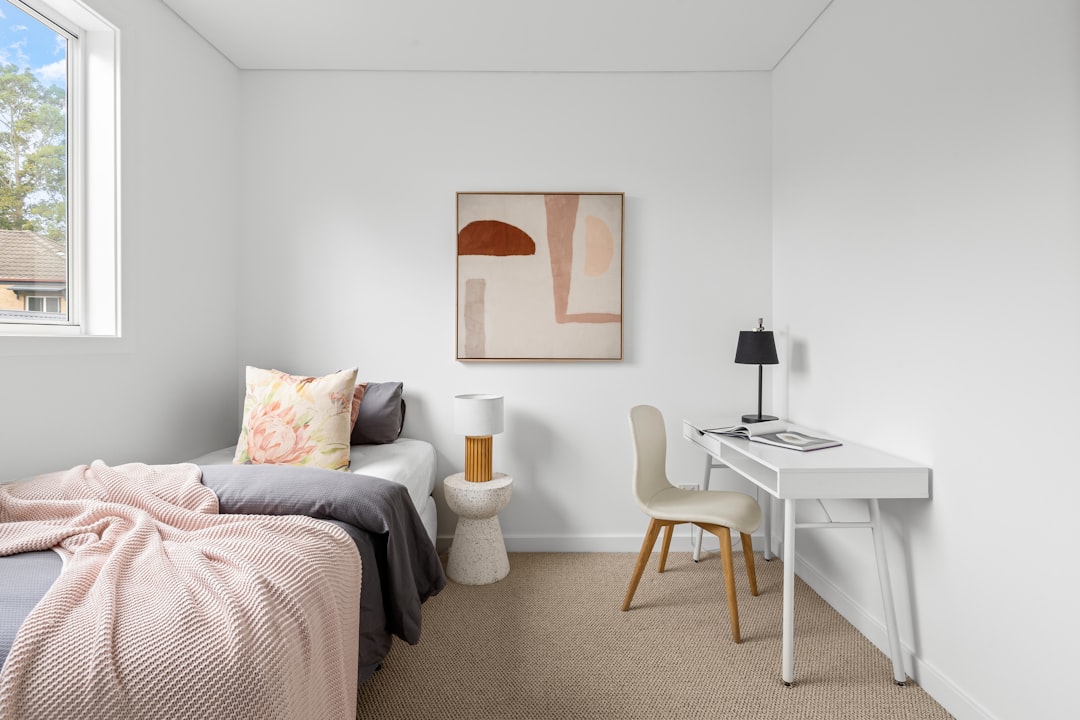
Wall-hugging wardrobes look tidy on paper but choke movement. Movement chokes when standard wardrobe depth eats into floor space. When you push storage against the bed frame, the path to the door shrinks dangerously. Clearance, that one really matters because you'll need 60cm on the exit side. And 30cm on other sides. This layout works in a 4-room BTO master bedroom. It saves space but restricts access.
Study desks need window light yet block the way if placed poorly. Window light is good. Desk width eats into corridor. A 120cm desk fits but leaves little room. Place it perpendicular to the wall to avoid the swing path. Don't block the lift access. If you put it against the window, the curtain rail hits the chair. That's a hassle since you'll need to slide the chair out. A 50cm chair depth adds up. The door swing is the real enemy because HDB doors are 91.5cm wide. That means the swing is tight. Don't put the desk in the swing zone; put it in the corner instead. But light is key for study, so window is best. Just ensure the path is clear.
4-room BTO bedrooms are tight since 12 sqm common bedroom is standard. Super Single bed frame is 107cm wide. King is too big; 60cm clearance needed. Furniture width must match the room. A Queen bed takes 152cm. That leaves less space for the wardrobe. Measure twice before you buy. You'll regret a wrong fit.
Most 4-room BTO master bedrooms sit under 2.7 metres. High profiles overwhelm small spaces, making the room feel lower than the standard. You need frames with exposed legs or low silhouettes to retain visual height. A solid block of wood eats light. It traps the eye at the bottom. Space feels tighter when the frame touches the floor everywhere. Standard ceiling height feels oppressive when the furniture blocks the view. Keep the sightlines open. It helps the room breathe. This is where a super single bed frame with tapered legs wins because it lifts the visual plane.
Colours matter just as much as the structure. White walls in newer condos demand frames that disappear. Light grey or beech finishes blend without drawing attention away from the ceiling. Dark timber creates a heavy horizon line. It pulls the ceiling down visually. A super single bed frame in pale wood keeps the air moving. You won't see the boundary between floor and frame. Match the wall paint exactly if possible to hide the legs and create a seamless flow.
Storage beds suit HDB flats because there's nowhere else for luggage. But hydraulic lift-up holds more only if you have overhead clearance. Drawers need floor space beside the bed, which is tight in a 12 sqm common bedroom. This one is a trade-off because you cannot fit a king bed, but Queen fits better in most HDB master bedrooms. However in a small room, height is king. Buy the frame first, then the mattress. The hydraulic mechanism often fails before the padding wears out. If you prioritise storage over height, the room will feel cramped regardless of the frame style, so measure the ceiling clearance first to avoid buying the wrong size that blocks the light.
How does super single width compare to king size? Super single measures 107cm wide. King width sits around 182cm. That 75cm gap defines the room flow. You need 60cm clearance on the exit side. A 183cm king fits most master bedrooms. Smaller rooms feel cramped. A super single fits a 3-room BTO common bedroom comfortably. It leaves space for a wardrobe. If you want a king bed, cannot. The room won't allow it. Standard length 190cm.
Will the frame fit through the lift and survive the humidity? Lift door opening ~90cm wide. Skirting eats 1-2cm. Solid wood moves with humidity. Untreated leather or particleboard swells. HDB lift interior ~124cm wide. But the door is the real limit. Flexible mattresses bend. Rigid frames won't. Humidity often around 80%+. Solid timber resists warping better. Particleboard softens in the local climate. Measure your corridor turn too.
Most buyers treat the platform bed frame as a temporary sleep station, not an asset. They ignore how the frame sits within the room when the property moves to the next owner, completely missing the visual weight it adds to the staging. A trendy headboard looks sharp in the catalogue, but it dates fast. The estate agent will look at the layout first.
Neutral frames are the safe play for resale. You want something that fits a grey sofa or bright accent wall. If you pick a niche style, you limit the buyer pool because future owners will not match your specific taste, and resale value drops. A simple platform bed takes up less visual space and lets the room breathe in a 3-room BTO. Got storage or not? That changes everything lah.
Layout impacts how the flat reads. Buyers walk through the door expecting flow. If the bed blocks the path to the ensuite, the room feels smaller and you lose the ability to stage the space effectively for the open house. Keep the exit side clear. Leave 60cm clearance there. A Queen fits most master bedrooms, but a King needs careful planning. Older flats have narrow lift doors. You might struggle to get a bulky frame up.
There is one exception. If you plan to stay for ten years, pick the style you love, but know that renovations cost money and you won't get it back in resale. But for the average flip, simplicity wins. The neutral option holds value better. You save trendy pieces for the bedroom you stay in. Make sure wood is solid. Particleboard will sag one.
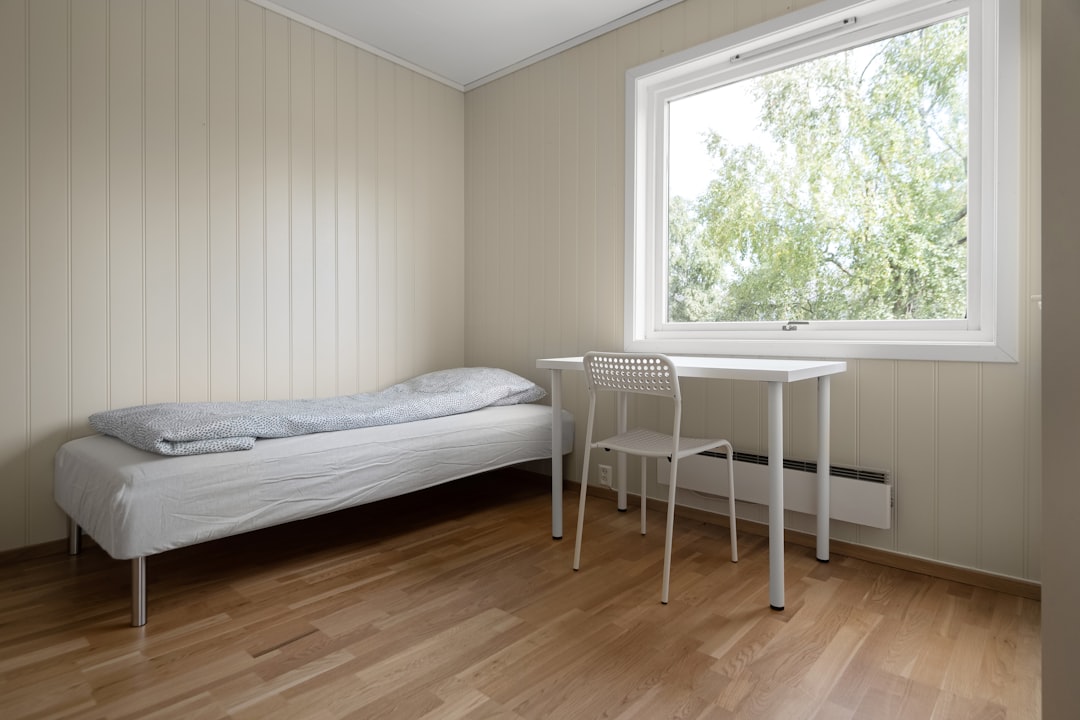
Floor plans are idealised lines. They ignore the thickness of the partition wall. A 12 sqm BTO bedroom often shrinks once you measure the plaster and skirting, eating into your clearance. Most buyers trust the rendering, but the wall thickness eats into your clearance, leaving no room for the headboard. You can't fit a super single bed frame if you ignore the loss. The plan shows around 3m width. Reality shows less. That gap kills the layout before you even order the storage drawers.
Record the exact internal dimensions before signing the payment order. Wall thickness varies by block — HDB flats often have partitions that floor plans smooth over. Skirting eats 1–2cm. A 3-room BTO common bedroom might look spacious on paper. It's tight once the bed frame arrives. Measure the door width too. The lift entry often 80–90cm. A rigid frame won't turn there. Internal bedroom doors are usually the tightest.
Check the path to the bedroom. Delivery fails are common. You'll find lift doors are 90cm wide. You need clearance. If it fits the room, it might not fit the lift. Verify the path. Free delivery often kicks in around a $200–$300 spend where lift access exists. Don't assume the furniture will fit. Get the tape out. Oversized pieces may need staircase carrying.
" width="100%" height="480">Platform bed frame placement: optimizing space in small bedrooms