How to choose king mattress firmness for co-sleeping comfort

Choosing Wrong Firmness Means Partners Start Apart

That cavernous master bedroom in a landed property, all 20 square metres of it, becomes a strange kind of wasteland when the bed is wrong. You’ve got the space, you splurged on the king, and yet one of you ends up sleeping in the guest room because the mattress feels like a plank or a swamp. It’s a classic misstep—buying for the room’s dimensions instead of the bodies that will actually use it.

For a couple where one partner is over 182cm, and especially with a toddler who might climb in at 3am, that baseline firmness is everything. Too soft, and the taller person sinks into a pit, their spine out of alignment all night. Too firm, and pressure points scream, leading to constant tossing that wakes everyone up. The goal isn’t a personal cloud or a board; it’s a stable, supportive plane that keeps two—or three—sleepers on an even keel. That’s the medium-firm sweet spot.

Ignore that, and you’ll witness the slow drift. One partner starts staying up later, claiming they’re “not tired yet,” just to have the bed to themselves. The other retreats to a different room for a “proper rest.” Your grand king, meant to be a centre of connection, becomes a monument to separate schedules in a room that’s too big to feel cosy when you’re alone in it. What a waste of good square footage.

There’s really only one exception to the medium-firm rule. If both of you have a documented, long-standing preference for a specific extreme—you’ve both always loved a rock-hard surface or a deep, enveloping plush—then by all means, go for it. But that’s rare. For most young families navigating growth spurts and midnight visits, a balanced, supportive middle ground is the only sensible choice. It’s the foundation that keeps everyone together, literally.

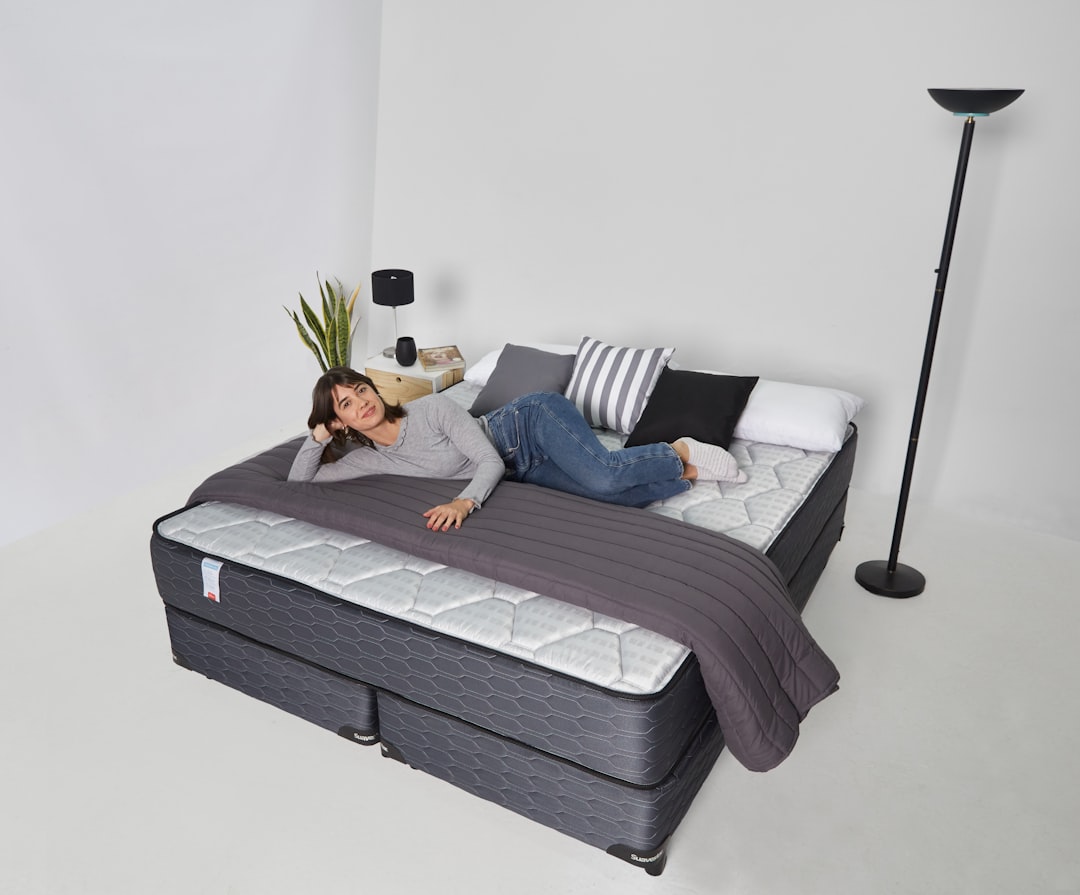
A king is the largest standard mattress most homes will buy, and in Singapore that means a specific number worth knowing before anything else: around 182 to 183cm wide by 190cm long. A king size mattress is roughly 30cm wider than a queen — the difference between a couple negotiating space and each person having their own — which is the whole reason to size up. The local figure matters because it's not the same everywhere: a US king runs 193 by 203cm and a UK king 150 by 200cm, so an imported assumption can leave you with a mattress that doesn't match your frame. Beyond the width, the choice is construction and feel: memory foam for contouring, latex or hybrid for cooler, more responsive support, pocket spring for motion isolation so one person's movement doesn't cross the bed. Measure the room first — a king needs space to walk both sides — then choose the feel. Get the width and the room right together and a king is the most comfortable upgrade a master bedroom can have..
Medium-Firm Bed Bridges Height and Weight Differences

A medium-firm mattress, sitting around a six or seven on the scale, is the great equaliser for couples with a noticeable height or weight gap. It’s a common scenario here, where one partner might be over 180cm and the other significantly lighter. A plush surface will see the taller, heavier person sink in more, creating a noticeable slope that pulls both sleepers towards the centre. That’s no good for anyone’s back, and it turns the bed into a lopsided affair.

In a spacious master bedroom—the kind you find in an executive condo or a landed property that comfortably exceeds 16 sqm—you’ve got the room for a proper king. The real trick is making that generous 182 by 190 centimetres work as a unified platform, especially if a toddler joins you occasionally. A medium-firm core provides enough resistance to support the heavier partner without feeling like a board, ensuring the sleeping surface stays largely level. You won’t get that annoying roll-together effect, and your child won’t be funneled into a valley between you both.

Some might think a firmer mattress is the obvious answer for weight disparity, but that’s where you can get it wrong. Go too hard, and the lighter partner ends up feeling like they’re perched on top, with pressure points at their shoulders and hips because the surface won’t contour at all. The medium-firm sweet spot offers a compromise: substantial support where it’s needed, with enough gentle give for comfort. It bridges the gap, literally.

The only time I’d steer you away from this is if both partners are exceptionally lightweight or have a strong preference for a cloud-like feel. For the majority of couples where one person is taller and heavier, particularly in our humid climate where some mattress materials can soften over time, starting with a medium-firm foundation is the steady choice. It maintains that level plane you bought a king for in the first place, ensuring everyone gets their share of a flat, supportive sleep surface.

Child Co-Sleeping Safety Requires Edge Support

Perimeter Firmness

That edge of the king mattress isn't just a boundary—it's a safety rail. When a toddler joins you in the middle of the night, they don't sleep neatly in the centre; they roll and shift until they find a comfortable spot, often migrating toward the perimeter. A soft, collapsing edge creates a dangerous dip where a small body can get trapped or gain momentum for a fall. You need a mattress with a reinforced border, typically built with high-density foam or a firmer coil system that runs right to the very edge. This creates a stable, supportive lip that resists compression under weight, keeping the sleeping surface flat and secure all the way across its full 182 centimetres. It's the difference between a gentle bump against a firm side and a startling, potentially injurious tumble to the floor.

Roll-Off Risk

Consider the physics of a shared sleep surface: three bodies, one being a restless child, moving independently on a platform that's only 190 centimetres long. The risk isn't just from deep sleep; it's from those half-awake moments when a parent shifts or a child sits up drowsily. On a mattress with poor edge integrity, the perimeter can compress so dramatically that it effectively lowers the guardrail, making a roll-off far more likely. This is especially critical in larger condominium master bedrooms where the bed might be placed centrally, offering a drop on both sides. A firm, supportive edge maintains a consistent height, providing a physical and psychological barrier that helps everyone stay safely on the mattress throughout the night.

Foam Density

Edge support isn't just about a special border—it's fundamentally about the core materials. Lower-density foams, while initially comfortable, will soften and break down over time, particularly along the sides where you sit to get in and out of bed. For co-sleeping safety, you need high-density foam layers throughout the mattress construction; these resilient materials resist permanent indentation and provide consistent support. They ensure the entire sleeping surface, from centre to edge, remains uniformly firm and stable for years, not just the first few months. This long-term integrity is non-negotiable for families planning to use the same king mattress through the toddler years and beyond. Skimping on foam density is a compromise you simply cannot afford when little ones are involved.

Bed Placement

Even the best mattress needs a thoughtful environment. In a spacious master bedroom, it's tempting to float the bed in the centre for a luxurious, hotel-like feel—but with a co-sleeping child, that design choice introduces risk from all four sides. A safer approach is to push the headboard firmly against a wall, instantly eliminating one fall zone. You can further mitigate risk by placing the remaining open side against a low, solid bedside unit or even a strategically positioned, padded ottoman that acts as a soft buffer. This creates a protected cove for sleep, reducing the effective perimeter that needs guarding. It turns your king mattress from an island into a peninsula, a configuration that inherently supports safer shared sleep.

Long-Term Investment

View this mattress not as a short-term purchase but as a key piece of family infrastructure for the next decade. The firm perimeter and dense foams required for co-sleeping safety are the same features that guarantee the mattress won't sag or develop a noticeable dip in the middle after years of use. This dual benefit means you're investing in both immediate safety and long-term comfort, ensuring the bed remains supportive for the parents after the co-sleeping phase ends. In the context of a landed property or large condo where you plan to stay put, this durability is paramount. It's the one piece of furniture in the room that truly works around the clock, every single day, so its construction must be utterly uncompromising.

Humidity and Material Dictate Firmness Durability

Singapore’s persistent humidity isn’t just a discomfort; it’s a slow-acting material test. That 80% ambient dampness will, over seasons, decide whether your king mattress stays firm or turns into a sagging disappointment. Foam resilience is the hidden casualty here—a low-cost polyurethane core in a poorly ventilated master bedroom can soften and lose its profile within a couple of years, especially under the combined weight of co-sleeping adults and a toddler. You invest in a king for that generous space, but you need it to hold its shape through the humid cycles.

The material choice is straightforward then. Natural latex or high-density foam retain their firmness character far longer in our climate. They’re less porous, resisting the moisture that weakens cheaper foams. In a landed home with a spacious bedroom, airflow might be better, but the humidity is still there, seeping in during the monsoon months. A mattress that feels perfect during delivery can feel different by the next CNY if the core isn’t up to the task.

There’s a counterintuitive point here: a firmer mattress often fares better over time. It’s not about initial comfort, but structural integrity. A soft, plush feel built on low-density foam is the first to give way, creating those permanent body impressions where you sleep. For a king size used by a couple, that means two zones of potential sagging, which only gets worse when a child joins the bed occasionally. The exception? If your bedroom is exceptionally dry—say, you run a dehumidifier constantly—then material longevity matters less. But that’s rare; most of us live with the damp air.

So when you’re evaluating that king mattress, press beyond the initial comfort layer. Ask about the core density. Latex or high-density foam one—that’s the investment for a bed that should last a decade. A cheaper polyurethane option might save upfront cost, but replacing a massive king mattress because it’s lost support is a much bigger headache. Your spacious master bedroom deserves a foundation that won’t surrender to the weather.

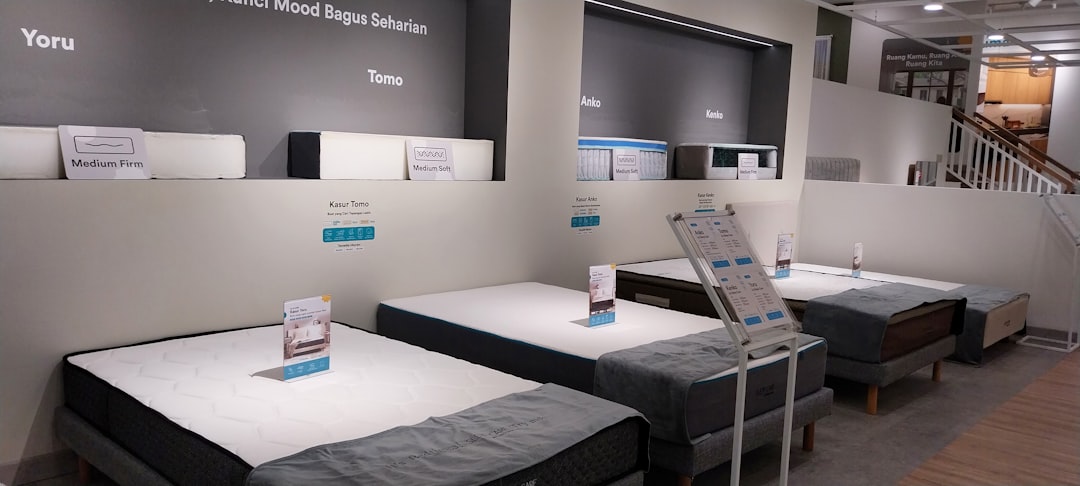
Testing Firmness Needs Showroom Body Weight

You can read all the online reviews you want, but your own body weight is the final judge. That’s why skipping the showroom lie-down is a mistake—you’re committing to a king-sized mattress based on a description, not on how it actually feels under your specific frame and your partner’s. For a medium-firm profile, the difference between ‘just right’ and ‘too hard’ is often a matter of a few kilos and sleeping position.

The ten-minute test is non-negotiable. Don’t just sit on the edge; get horizontal. You need to simulate the actual sleeping posture, side or back, and let your weight settle. This is where you’ll feel if your hips sink too far, if your shoulders get proper support, or if there’s an uncomfortable pressure point along your spine. With your partner beside you, you can also gauge motion transfer—does their turning send a wave across the surface? A king mattress gives you space, but you still want some isolation.

Pay attention to the fabric weave against your skin, especially in our humidity. A tightly woven, smooth cover might feel cooler initially, but a looser, breathable weave is what lets air circulate on a sticky night. Feel it with your bare arm, not just your hand. That slight texture you notice in the showroom’s air-con will behave differently in your non-aircon bedroom at 3 a.m. during the monsoon season.

The one time you might skip this ritual is if you’re buying an exact replacement for a mattress you already love. Otherwise, you’re gambling. A king mattress is a long-term investment for a master bedroom in a condo or landed property, and getting it wrong means living with the consequences for years. So block out the time, visit a showroom with your partner, and give yourselves permission to be those people lying down in public. It’s the most practical research you can do.

FAQ: Singapore Co-Sleepers’ Firmness Questions

For a couple co-sleeping with a small child, the firmness of a king mattress gets tricky. You’re balancing three different bodies and their needs, not just two. The questions that come up are always the same ones, and they’re surprisingly specific to our climate and living situations.

Can a king mattress be too firm for a child? It absolutely can. A toddler’s developing spine needs a different level of support than an adult’s. A surface that feels perfectly supportive to you might be unyielding for them. The real issue is when the child ends up migrating to the softest spot—which is usually right between the two adults, disrupting everyone’s sleep. A medium-firm mattress with a decent comfort layer often provides a better compromise, offering enough cushioning for the little one without letting the parents sink in too much.

How to test firmness with a partner? You both need to lie down together, in your usual sleeping positions, for a good ten minutes. One person rolling over shouldn’t send a wave across the entire surface. Pay attention to the edges, too—if they collapse when someone sits to put on socks, that’s a bad sign for usable space. For a true test, try the classic scenario: one of you lies still while the other gets in and out of bed. If the movement is too jarring, that mattress is probably too soft for shared use.

Does humidity soften a mattress over time? In our climate, it can. Sustained high humidity affects the materials inside, particularly certain types of foam. They can lose some resilience and feel softer than they did in the showroom’s air-conditioning. This isn’t always a defect; it’s a material reacting to its environment. Look for mattresses that use high-density, humidity-resistant foams or have good ventilation channels—they’ll hold their intended feel far longer in a non-air-conditioned bedroom.

What firmness for a 180cm tall and average weight couple? This is where medium-firm really shines. It provides the necessary spinal alignment for that height without feeling like a plank. A couple of average weight won’t sink in so deeply that they ‘meet in the middle’, which preserves that precious king-size real estate. The exception? If one partner has chronic back issues, they might need a firmer base—then you look at a firmer core with a plusher topper to customise each side.

King Mattress Lifespan Versus Co-Sleeping Wear

A king mattress in a family bedroom isn’t just for sleeping. It’s a trampoline, a story-time fortress, and the landing pad for a toddler’s 3 AM climb-in. That’s the real test of a mattress—not the years on the label, but the daily weight shifts and concentrated pressure from little knees and elbows. If you’re co-sleeping, you’re compressing the foam far faster than a couple ever would alone.

The difference comes down to core density. A budget-friendly king might feel perfectly supportive in a showroom, but its lower-density foam will pack down under that active family load. You’ll notice valleys forming where bodies rest, and the middle will lose its fight against gravity. For a bed that must withstand this, you’re looking at higher-density materials typically found in the $1,800 to $3,000 range. These are built to resist that accelerated wear, maintaining a more even surface for longer.

In a typical co-sleeping household, you should realistically expect about five years before the firmness degrades noticeably. After that, it’s not just about comfort—a sagging surface can affect spinal alignment for everyone. The only time I’d consider a softer, less dense option is if you’re absolutely certain co-sleeping is a very rare, occasional event. But with young kids, that’s a gamble. Once the little one discovers your bed, there’s no going back.

So, while the initial outlay feels significant, that investment in a high-density core is buying you proper support through the most demanding years. It’s the difference between replacing a tired, lumpy mattress when your child is starting primary school and one that’s already giving up the ghost. For a family sharing a king, longevity isn’t a luxury; it’s the whole point.

The Last Check Before the Showroom Trip

The most common delivery disaster isn't a scratched frame—it's a king mattress that won't make the final turn into your bedroom. For a landed property, you bypass the HDB lift drama, but internal doorways and stairwells become the new choke points. Grab your tape measure and check the clearance of every corridor corner and bedroom door, not just the room itself. A rigid 182 by 190cm frame needs a clear path; a flexible mattress can be manoeuvred, but that bulky foundation cannot. Account for skirting boards and door frames, which can quietly steal another precious centimetre or two. Getting this wrong means paying a surcharge for a hoist or, worse, watching the delivery team turn back at your doorstep.

Your combined weight and your child’s age aren't just details for a salesperson—they're the data that determines which firmness will actually last. Two adults with a significant weight difference will need a different support core than a pair with similar builds, especially when a toddler joins the mix. Don't just guess or go by what feels soft in a two-minute showroom lie-down. Have a frank conversation with your partner about your weight ranges before you leave the house. That number, alongside your child's age, lets you cut through the marketing and discuss hybrid cores or zoned support systems that prevent premature sagging on one side. A mattress that’s too soft for your combined weight will feel comfortable initially but break down years sooner.

Bring your own pillow. It’s a simple trick that changes everything. Your neck and shoulders are already accustomed to its height and give, so testing a mattress with your familiar pillow gives you a true read on spinal alignment. Without it, you’re judging an unfamiliar mattress with an unfamiliar pillow—a complete guess. At the showroom, take your time. Lie down in your usual sleeping position for at least ten minutes, not just a quick perch on the edge. Let your body settle. The right king mattress firmness should feel supportive, not just plush, creating a stable sleep surface that doesn’t transfer too much motion when your child climbs in.

The single exception? If your child is still an infant and won’t be co-sleeping for another year or more. In that case, prioritise the firmness that works for the two adult weights, as that’s the long-term foundation. But for everyone else, treat this final check as the non-negotiable prep that turns a showroom trip from overwhelming to decisive. You’ll walk in knowing exactly what will fit your home and what will fit your family’s bodies.

" width="100%" height="480">How to choose king mattress firmness for co-sleeping comfort

Check our other pages :