Properly measure your master bedroom for a king size bed

Room Layout's Hidden Cost: Floor Space vs Walking Path

That king bed footprint looks like a straightforward rectangle on paper – 182 by 190 centimetres. But in a four-by-four metre landed property master bedroom, it becomes a much bigger presence once you account for the walking paths you’ll need every day. Those sixty centimetres of clearance aren’t just a nice-to-have; they’re the minimum for a person to move comfortably past the bed to reach the wardrobe or balcony door. If you block those routes with a bulky storage unit or a dressing table, you’ve essentially built a daily obstacle course into your most private space.

Think about the typical flow: you get up, you need to access your clothes, perhaps you step out to the balcony. In a room that’s sixteen square metres, the bed itself occupies nearly five square metres. That leaves eleven square metres for everything else – and the walking lanes eat into that remaining area significantly. Placing a chest against the wall opposite the bed might seem efficient, but if it narrows the path to below sixty centimetres, you’ll find yourself sidestepping and shuffling. The size most people compare a king against is a queen size mattress at 152 by 190cm — 30cm narrower, and the better fit for most HDB and BTO master bedrooms where a king would leave no walking space. The honest test is the room: if you can't keep about 60cm clear on the side you climb out of with a king in, the queen is the smarter buy. Room size guide: King bed plus co-sleeping toddler space . A king is the largest standard mattress most homes will buy, and in Singapore that means a specific number worth knowing before anything else: around 182 to 183cm wide by 190cm long. A king size mattress is roughly 30cm wider than a queen — the difference between a couple negotiating space and each person having their own — which is the whole reason to size up. The local figure matters because it's not the same everywhere: a US king runs 193 by 203cm and a UK king 150 by 200cm, so an imported assumption can leave you with a mattress that doesn't match your frame. Beyond the width, the choice is construction and feel: memory foam for contouring, latex or hybrid for cooler, more responsive support, pocket spring for motion isolation so one person's movement doesn't cross the bed. Measure the room first — a king needs space to walk both sides — then choose the feel. Get the width and the room right together and a king is the most comfortable upgrade a master bedroom can have.. For couples who want to save space and budget, queen is the default; the king is the upgrade for rooms that can genuinely take it.. It feels cramped, even in a technically spacious room.

The real trade-off often comes with storage solutions. Hydraulic lift-up beds are fantastic for hiding away seasonal items, but they demand clear overhead space to open. Drawer beds need floor space along their sides to pull out fully. If you’ve committed those sides to your essential walking paths, you’ll either block the drawers or block yourself. One workaround is to forgo under-bed storage entirely and use a simpler platform frame, then allocate a single, slimline wardrobe unit elsewhere – but that’s a compromise on overall storage volume.

There’s a counterintuitive point here: sometimes, less furniture around the bed creates more usable space. A clean perimeter with that sixty-centimetre lane preserved can make a four-by-four metre room feel genuinely expansive. The only time I’d suggest crowding the perimeter is if you’ve got a truly oversized master suite, say above twenty square metres, where you can zone the sleeping area separately from a dressing area. In a standard landed bedroom, prioritise the path. Before committing to a king, the mattress sizes guide puts it in context — Single (91cm), Super Single (107cm), Queen (152cm), and King (around 183cm), all at 190cm length, plus how local sizes differ from overseas ones. It's the read that stops the most expensive sizing mistake. Confirm the king fits your room and matches your frame before buying, since the largest size is the least forgiving of a too-small bedroom or a mismatched base.. Your morning routine shouldn’t feel like a negotiation with your furniture.
Avoiding the Condo Bathroom Bottleneck

A spacious master bedroom above 16 sqm in an executive condo seems luxurious, but the layout can create a frustrating bottleneck if you don't plan the bed's placement carefully. The main culprit is often the bathroom door. In many of these units, the ensuite is positioned directly off the bedroom, and if you centre your king mattress—182 by 190cm—with its head against the wall adjacent to that door, you'll create a pinch-point that feels cramped every single morning. That narrow corridor between the bed frame and the bathroom entrance becomes a daily negotiation, especially for taller individuals.

Consider the typical morning routine. One partner needs to get to the bathroom while the other is still asleep or getting up from the opposite side. With the bed head against the shared wall, the clear path is often less than 60cm, a tight squeeze for anyone. For a partner over 180cm tall, that shuffle becomes a genuine obstacle, an awkward sidestep that defeats the purpose of a spacious room. It's a design flaw you only discover after the furniture is delivered, when the room feels functionally smaller than its square metreage suggests.

The simple fix is to position the bed head against the wall opposite the bathroom door. This creates a clear, unimpeded walkway from the main bedroom entrance past the foot of the bed to the ensuite. For the full breakdown, the king mattress dimensions guide sets out the local standard — 182 to 183 by 190cm — and how it differs from the American (193 by 203cm) and British (150 by 200cm) versions, which is exactly the confusion that trips up buyers. It also covers how much wider a king is than a queen and what room size it needs. The takeaway: confirm the local dimension and your bedroom space before buying, since a king is the size most likely to overwhelm a room or mismatch an imported frame.. You'll maintain that crucial 60cm or more of clearance on the 'active' side, the one used for daily access. This isn't just about aesthetics; it's about preserving the utility of your investment. A king bed should offer grandeur and ease, not a daily traffic jam.

There's one exception to this rule. The cleanest way to buy a king is as a bed frame and mattress set — the king frame and king mattress matched to the same dimensions, delivered and assembled together, usually at a better combined price. At king size a mismatch is harder to live with and a lone king mattress is an awkward piece to pair later, so buying both as a set matters more than at smaller sizes. The set arrives sized to sit flush, the whole big bed sorted in one delivery.. If your bedroom's architecture includes a deep bay window or a built-in feature on that opposite wall, placing the bed there might sacrifice valuable natural light or a pleasant view. In that case, you might accept the tighter access on the bathroom side, but only if the other side of the bed offers ample, easy exit space—at least 30cm—and you're both comfortable with the narrower path. For most layouts, though, the opposite-wall placement is the steady choice that makes a large room live large.

When Co-Sleeping Predicts Furniture Choices

Sleep Space

The king mattress dimensions, 182 by 190 centimetres, offer that generous sleeping area a couple with a toddler needs. You'll find the extra width invaluable when a small child climbs in during the night, providing a comfortable buffer without everyone feeling cramped. It's a common oversight to focus solely on the mattress size and forget the supporting frame that sits underneath. That low-profile secondary bed, often a simple cot or toddler mattress placed alongside, demands its own dedicated footprint within the room's layout. In a Tampines condo's master bedroom, even with over 16 square metres, this additional sleeping zone must be factored into your floor plan from the start.

Floor Plan

Accurate measurement isn't just about checking if the king bed itself fits; you need to map out the entire sleeping zone. Consider leaving at least 60 centimetres of clearance on the side you'll exit from, but also account for the space where the child's sleeping arrangement will reside. A toddler bed or crib placed flush against the main frame effectively extends the overall footprint, sometimes by another 90 centimetres or more. This combined layout can quickly consume the walking space around the bed, turning a spacious room into a navigational puzzle. Planning for this extended zone prevents that late-night realisation where you're tripping over furniture.

Profile Matters

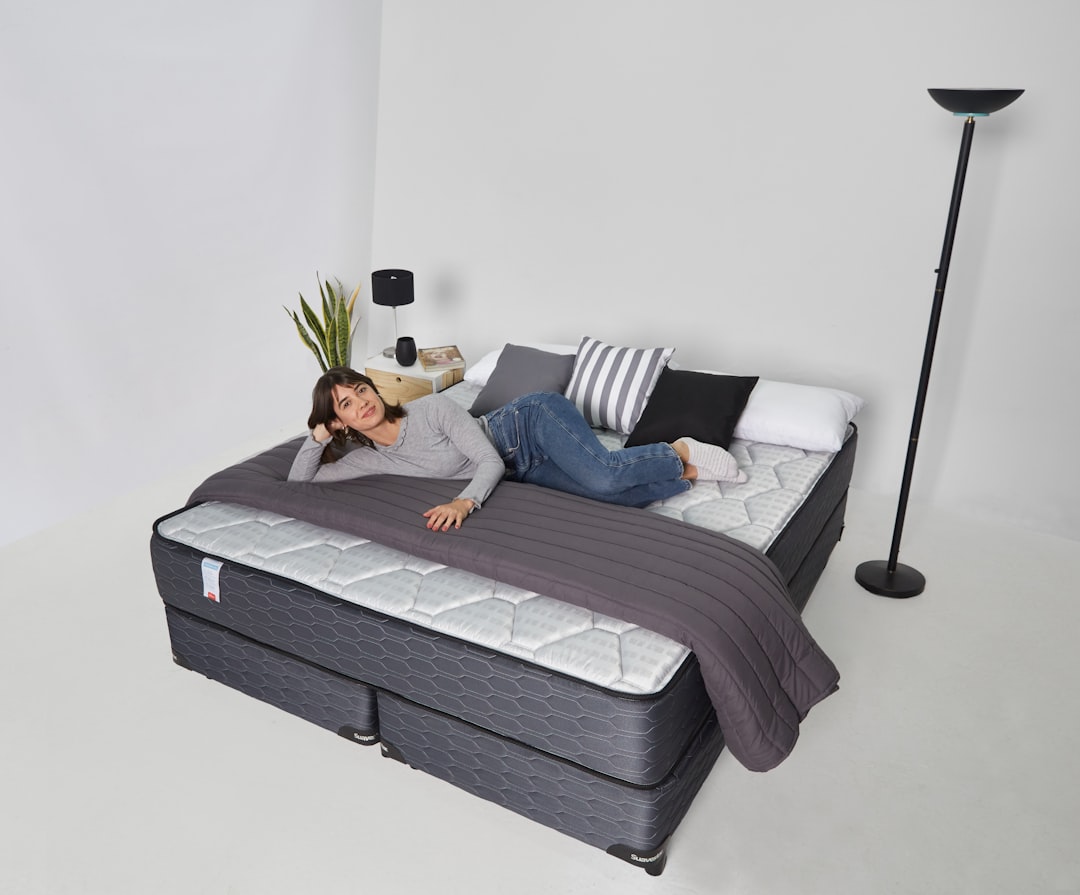
That secondary sleeping surface must be low-profile, not just a standard-height bed frame. A tall crib or a raised toddler bed creates a dangerous step-up situation next to your king mattress, a hazard for both the child and yourselves during sleepy transitions. Opt for a frame that sits nearly flush with your own bed's height, facilitating safer and easier movement for the co-sleeping child. This low height also helps maintain a visual cohesion in the room, avoiding a cluttered, tiered look that disrupts the bedroom's aesthetic. A king mattress needs a matching king size bed frame built to the same 182 to 183cm width, so the two are best chosen together to sit flush. The frame also sets the room's footprint, so measure for both the mattress and the frame's outer dimensions, plus walking space. A king suits a master bedroom of roughly 3.5 by 3m and up. Pairing the mattress and frame in the same size avoids the gap or overhang that comes from mixing a king mattress with a not-quite-king base.. The right profile choice supports both safety and the room's overall feel.

Layout Lock

Introducing a permanent secondary bed alongside the king effectively locks your bedroom layout. You can't easily shift the king bed to another wall or rearrange for a fresh look once that toddler sleeping zone is established. This fixed arrangement should be considered a long-term commitment, likely lasting several years until the child transitions to their own room. It means your bedside tables, lighting, and even airflow from the window are now dictated by this combined sleeping block. Accepting this layout lock early helps you choose a configuration that's truly sustainable and comfortable for the long haul.

Future Transition

While planning for co-sleeping, also consider the furniture's lifecycle after the toddler phase. That low-profile cot or toddler bed should ideally be a piece that can be repurposed or stowed away once the child moves to their own bedroom. A convertible design that shifts into a junior bed for a common room offers a smarter long-term value than a single-purpose item. Alternatively, a simple mattress on a minimalist frame can be easily dismantled and stored, freeing up that precious floor space in your master bedroom later. Investing in transitional furniture avoids the scenario where you're left with a permanent, unused fixture in your room.

The Somnuz® Mattress Firmness Test in Joo Seng

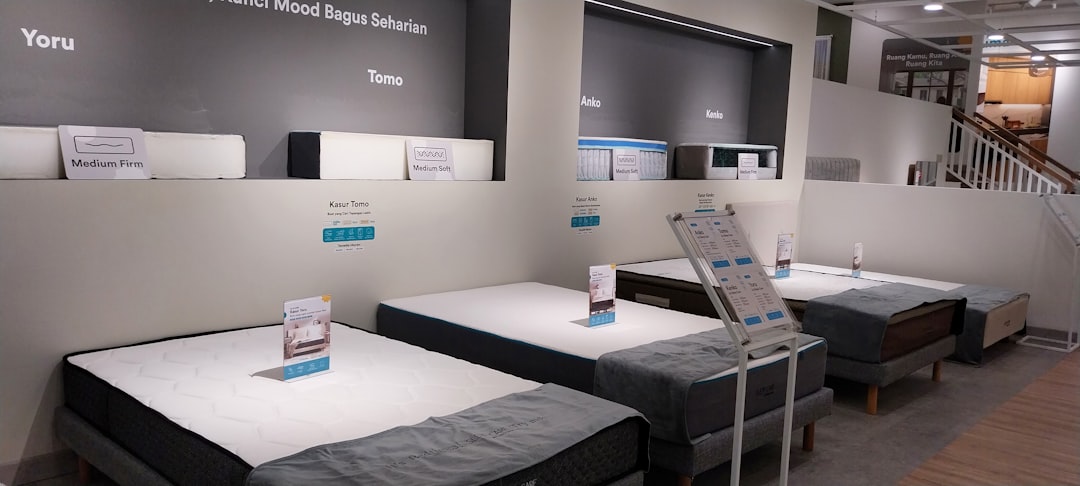
A mattress label can say “medium firm” or “high support,” but those words won’t tell you how your spine actually feels after eight hours. That’s the whole point of heading over to Megafurniture’s Joo Seng showroom—you get to put real weight onto the layers inside their Somnuz® line. For a King, especially when one partner’s taller than 180cm, this isn’t just a nice-to-do; it’s the only way to know if the alignment works for both bodies.

You’ll find the test beds set up in a quiet corner, away from the main traffic. The process is straightforward: lie down in your usual sleeping position, roll onto your side, and pay attention to where your hips sink and where your shoulders press. A taller person’s weight distribution is different—their longer torso needs consistent support from the shoulders down to the lower back. A mattress that feels perfectly fine for someone of average height can sometimes let a taller sleeper’s midsection dip too much, creating that subtle morning ache. You can’t guess that from a brochure photo.

The key is to test it together. Have your partner lie down at the same time, because a King mattress’s surface is large, but the support core is one continuous unit. When two people are on it, you’ll feel how the bed responds to combined weight—whether it maintains its promised firmness profile or starts to flex unevenly. This is crucial for couples who occasionally have a toddler climbing in as well; that extra, concentrated weight in one spot changes the dynamics. A quick solo test won’t reveal that.

Skip this step only if you’re buying a mattress purely for a guest room that’ll see very occasional use. For your own master bedroom in a landed home or a spacious condo—where you’ll spend years on this purchase—making the trip to feel it under direct load is non-negotiable. You’ll leave knowing exactly what you’re committing to, or you’ll rule it out and save yourself the future hassle. That’s worth the drive.

In a king, a memory foam mattress gives each sleeper contouring, pressure-relieving support and strong motion isolation — so across the extra width, one person turning is barely felt on the other side. Look for a cooling-gel or open-cell version, since a large foam surface can sleep warm in the local climate. For couples who value undisturbed sleep and a cradled feel across a wide bed, king memory foam is a natural choice..

Pre-Purchase FAQ Grid

King size mattress fits in HDB master?

It depends on your floor plan, not just the flat type. A standard 182 by 190cm king bed needs a room that’s at least 3.5 metres by 3 metres to feel comfortable. Many resale 4-room and 5-room HDB master bedrooms can handle that—you’ll find them in older estates like Eunos or Bedok where layouts were generous. The real test is whether you can still open the wardrobe doors and walk around after the bed’s in place. If your master is closer to 3 by 2.5 metres, a queen is the smarter choice. Don’t force a king into a tight space just for the label.

How much clearance needed around bed?

Leave about 60 centimetres on the side you exit from—that’s the minimum for a comfortable walkway. The other sides can be tighter, maybe 30 centimetres, but you’ll regret it if you can’t reach the power point or clean behind the headboard. Remember to account for the skirting board, which eats up another 1 to 2 centimetres. That little buffer matters when you’re trying to slide a vacuum cleaner through.

Mattress for west-facing room?

Strong afternoon sun will fade fabric covers and dry out natural materials over time. For a west-facing master, prioritise a mattress with a cover that’s either dark-coloured or made from a performance fabric designed to resist UV. For a cooler, more responsive king, a latex mattress breathes better than traditional foam — its open structure lets air move, which matters more on a large king surface in the tropics. Latex is also durable, hypoallergenic, and supportive, with a springier feel than memory foam. For a couple who run warm and want cool, breathable support across the full width of a king, latex is the construction to look at.. A latex or high-density foam core tends to handle temperature fluctuations better than some older spring designs that can feel warmer. You might want to consider a mattress protector that adds another layer of defence against that relentless heat.

Best material for humid climate?

In our 80-plus percent humidity, you want a material that won’t trap moisture or promote mould. Natural latex and high-density memory foam are good options—they’re inherently resistant. Avoid low-density foams that can feel clammy. For the cover, look for breathable fabrics like cotton or specialised cooling textiles; avoid non-breathable vinyl or cheap polyester that just seals the sweat in. A mattress that lets air circulate through its layers will feel drier and last longer in our climate.

Bed Frame Material Under Singapore Humidity

Rubberwood’s a steady choice for our climate, especially in those big landed property bedrooms that can get a bit stagnant after the rainy season. The real case for a king is couples, and the guide to a king size mattress for couples makes it — the extra 30cm of width means partners aren't competing for space, and a pocketed-spring or foam build means one person's tossing doesn't wake the other. It's the upgrade for light sleepers who share a bed. The honest qualifier the guide repeats: the room has to be big enough, so measure before falling for the size.. It’s kiln-dried, which means it’s less likely to twist or swell when the humidity climbs. Plywood is generally stable too, but in a room with poor ventilation—maybe one tucked away with windows that don’t open much—the edges can sometimes warp if the finish isn’t right. That’s the real catch: the finish seals the deal.

A lacquer coating creates a hard, impermeable barrier that locks moisture out. It’s practically a shield, and for a king frame sitting in a spacious room where air might not circulate well, that’s a solid defence. Wax finishes, while beautiful and natural, breathe. They can feel richer, but they’re also more permeable; over time, in a consistently damp environment, they might not hold up as robustly against the moisture trying to seep into the wood. For long-term durability against our 80%+ humidity, lacquer wins.

The exception is if you’re after that specific, warm patina that only a waxed surface develops. It’s a look some buyers adore, and in a well-ventilated master bedroom—maybe one with cross-flow from balcony doors—a waxed rubberwood frame can still perform beautifully. But for the typical landed home room, where the air gets heavy and still, lacquer’s the practical pick. You’re investing in a king bed for stability and space, so the foundation should be just as steady.

Think about the room’s layout beyond just the 182 by 190cm footprint. If the bed is placed against a wall with no airflow behind it, or in a corner far from the windows, that’s where material and finish matter most. A lacquered rubberwood frame there is a safe bet. Plywood with a good lacquer finish can also work, but rubberwood’s inherent stability gives it an edge in those tricky spots. Don’t just consider the wood; the seal is what keeps it intact through our wet seasons.

Traffic Flow After the Bed Arrives

A king bed fills a room in a way that a smaller mattress doesn’t. That 182 by 190cm expanse becomes the centre of everything, and you’ll quickly realise the dimensions you measured on paper don’t account for the reality of moving around it. In a 5 by 4 metre room, which sounds generous, you still need to consider the swing of the door, the path to your dressing area, and whether you can comfortably reach the air-conditioning unit without climbing over the mattress.

The most common oversight is the door. A standard internal bedroom door is about 91.5cm wide. If you place the bed too close, the door won’t open fully—you’ll be squeezing yourself through a narrow gap every day. In king size, Somnuz is Megafurniture's in-house line — latex and pocketed-spring builds with a breathable Tencel® cover, giving a couple cool, supportive, motion-isolating sleep across the full width without the name-brand markup. The individually encased coils support each sleeper independently, which is exactly what a shared king benefits from. For a well-built, good-value king that sleeps cool and quiet, the Somnuz line is a strong starting point.. Worse, you might block the dressing area entirely, forcing a clumsy detour just to get to your wardrobe. And that AC remote? If the unit is mounted on the wall opposite the bed’s headboard, you’ll want a clear reach from the side; otherwise, you’re contorting yourself to adjust the temperature.

This is where a dry run with a cardboard mock-up pays off. Before the delivery truck arrives, cut a rectangle to the exact king size dimensions and place it in your room. Walk the paths you’ll use daily—from the doorway to the bed, from the bed to the wardrobe, from the bed to the AC. You’ll see immediately if there’s a pinch point. It’s a simple step, but one that prevents the sian moment of realising your beautiful new bed has turned your bedroom into an obstacle course.

The only exception to this pre-check is if your room layout is truly fixed and spacious, with the bed positioned well away from all doors and fixtures. Even then, verifying the clearance around the bed’s sides—leaving at least 60cm on the exit side and 30cm elsewhere—is non-negotiable for easy movement and cleaning. Don’t assume; test it. The minor hassle of moving cardboard is nothing compared to the major hassle of moving a king mattress after it’s already in place.

" width="100%" height="480">Properly measure your master bedroom for a king size bed

The Last Check Before the Showroom Trip

The difference between a bed that fits and one that dominates the room often lies in a few centimetres you forgot to account for. It’s tempting to assume a king will just slot in, but that’s where people get caught out. Measure wall-to-wall distances twice, because a single misreading can leave you with a mattress wedged against the wall, or a bedside table that can’t actually be used. Permanent fixtures like built-in wardrobes or air-con trunking are especially critical—they don’t move, so your bed has to work around them.

Decide on your bed height relative to the window sill before you go. A low platform might give you a clean view, but a taller storage bed could block that same view entirely. That’s a detail you won’t notice on a showroom floor plan, but you’ll feel it every morning in your own room. A king's large footprint is also the biggest storage opportunity, so pairing the mattress with a king storage bed turns the space underneath into a generous cavity for bedding and luggage. On a lift-up base, a medium-height king mattress is easiest to raise and lower. For a master bedroom short on wardrobe space, the king-plus-storage combination reclaims the most room of any bed setup. Match the mattress height to the base so the lift stays easy.. Bring those sketches with you. A rough floor plan, even hand-drawn, turns abstract dimensions into a real layout you can discuss.

There’s a particular scenario that catches many: they measure the room’s clear space, buy the king, then realise the only comfortable walking path is now across the mattress itself. You want at least 60cm clearance on the side you’ll exit most often, and a minimum of 30cm elsewhere. If your sketches show those buffers disappearing, a queen might be the smarter choice for daily living. A king in a room under roughly 3 by 2.5 metres will feel like it’s swallowing the space.

Don’t just note the numbers—visualise the flow. Where will you open the wardrobe doors? Can you still reach the plug point easily? These are the questions that a sketch answered at the showroom saves you from answering with frustration at home. The one real exception is if you’re absolutely committed to the king and your room is borderline; then you might accept a tighter fit for the sleeping space, knowing you’ll sacrifice some ease of movement. But that’s a trade-off you should decide on with your sketches in hand, not discover after delivery.

Check our other pages :