King Mattress Installation: Measuring Doorways and Stairwells in Singapore

The First Wrong Measurement Stops Everything

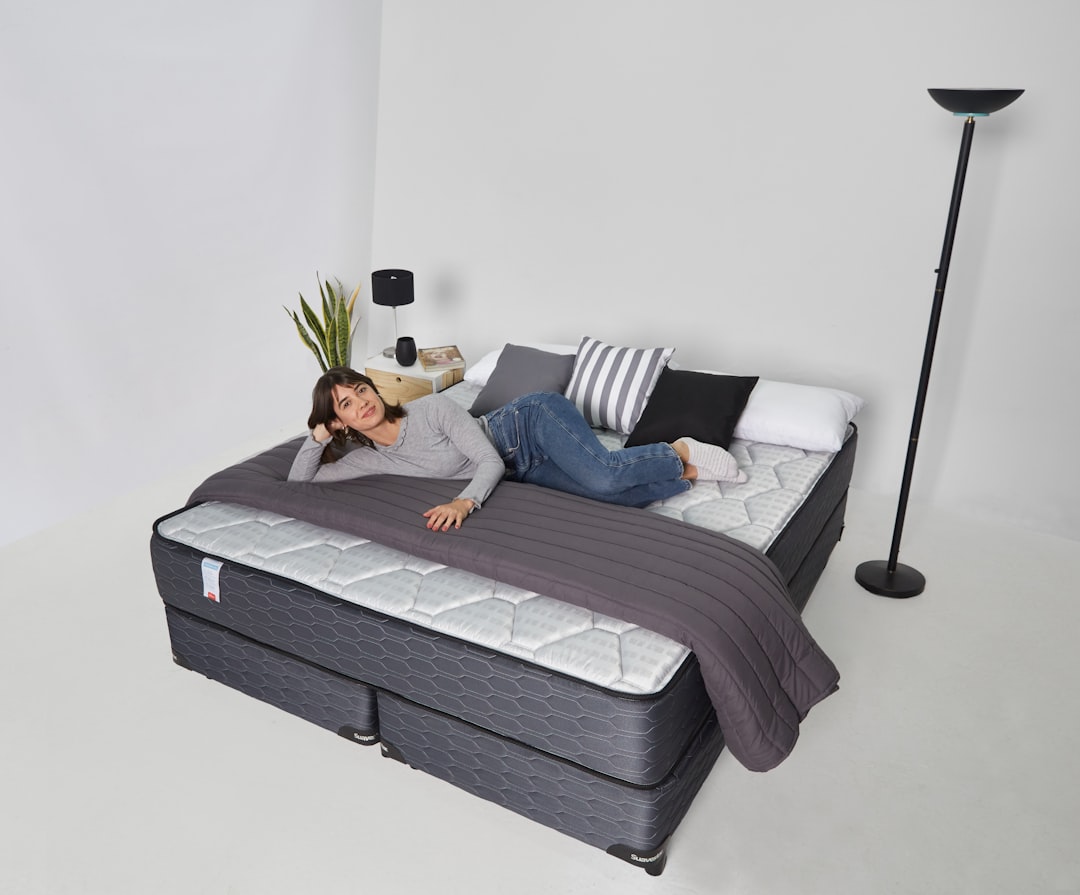
A king is the largest standard mattress most homes will buy, and in Singapore that means a specific number worth knowing before anything else: around 182 to 183cm wide by 190cm long. A king size mattress is roughly 30cm wider than a queen — the difference between a couple negotiating space and each person having their own — which is the whole reason to size up. The local figure matters because it's not the same everywhere: a US king runs 193 by 203cm and a UK king 150 by 200cm, so an imported assumption can leave you with a mattress that doesn't match your frame. Beyond the width, the choice is construction and feel: memory foam for contouring, latex or hybrid for cooler, more responsive support, pocket spring for motion isolation so one person's movement doesn't cross the bed. Measure the room first — a king needs space to walk both sides — then choose the feel. Get the width and the room right together and a king is the most comfortable upgrade a master bedroom can have.. " width="100%" height="480">King Mattress Installation: Measuring Doorways and Stairwells in Singapore

King Mattress Investment: Assessing Long-Term Value and Comfort
Stairwell Corners in Terraced Houses Mean Pivot Calcs

Balcony as Last-Resort Route Warps Delivery Timelines

Why Condo Corridor Widths Dictate Mattress Flexibility

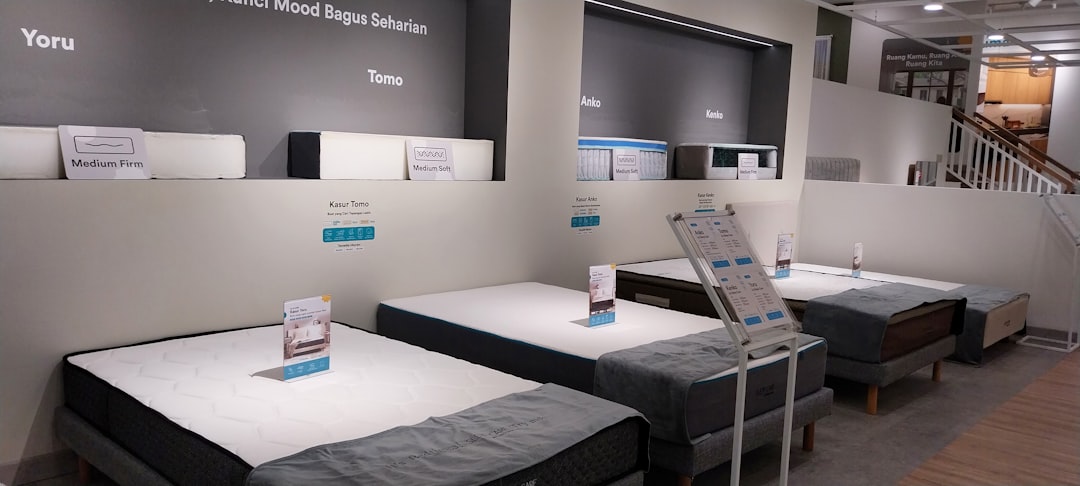
The Showroom Visit That Verifies Bend Radius

FAQ: Real Singapore Questions on Mattress Logistics

Material Trade-Off: Support vs. Ease of Installation

A thick pocketed coil mattress, the kind that really feels like a proper bed, clocks in at about 35cm thick. That’s fantastic for support—your back won’t complain after a decade. But it’s also a rigid, heavy slab that won’t bend for a tight staircase corner. The roll-packed latex hybrid, compressed into a long cylinder, might only be 25cm thick when unpacked. It’s easier to carry, sure, but you’re trading away some of that deep, lasting support for a thinner profile.

Think about your doorway. A standard HDB bedroom door is about 91.5cm wide. A king mattress is 182cm wide. You can’t just walk it in flat—you have to tilt it, sometimes pivot it on a diagonal. That thick, rigid coil system becomes a wrestling match, especially if your corridor has a sharp turn before the room. The latex hybrid, rolled up and flexible, can be manoeuvred through much more easily, even by two people. It’s a clear win for installation.

But here’s the trade-off: that thinner, roll-packed profile often means less material, a simpler construction. Over five or eight years, a thicker, multi-layer coil system tends to hold its shape better, especially if you’ve got two adults sharing the space. For a couple where one partner is taller or heavier, or if you anticipate a toddler joining you occasionally, the long-term support matters more than the one-day delivery hassle. The only time I’d skip the thicker option is if your access is genuinely impossible—a narrow landed property staircase with a 90cm turn, or a condo lift door that’s tighter than usual. Otherwise, you’re buying for the next decade, not for the delivery afternoon.

So, commit to the supportive one. Get the thicker mattress, and just plan for the installation. Confirm your lift door width—around 90cm is typical—and measure your internal doorways. If it’s a struggle, most delivery teams will handle it, though there might be a surcharge for staircase carrying. That’s a one-time cost. A mattress that doesn’t support you properly is a nightly cost, for years.

The Final Tape Measure Check Before Deposit

Check our other pages :