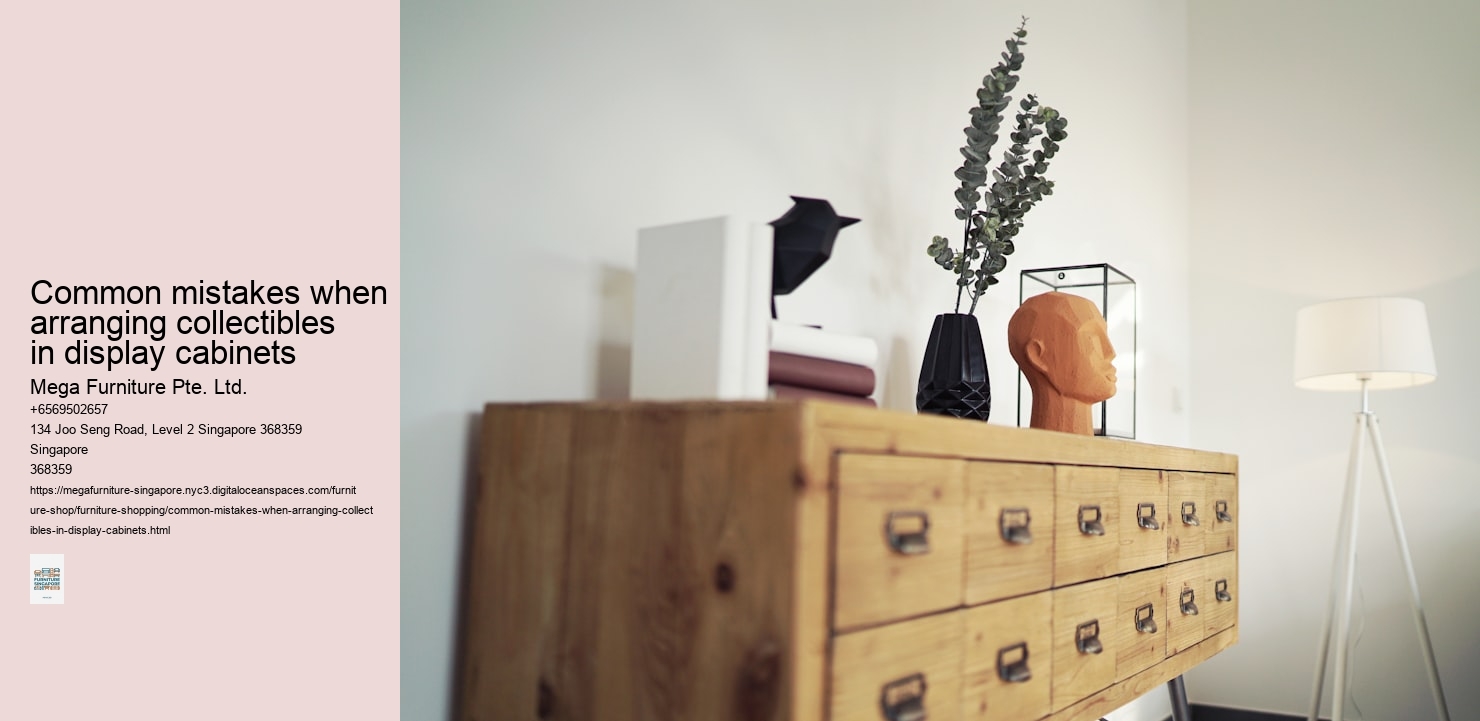
The worst display cabinet arrangements look like a museum storage room—crowded rows of identical figurines pressed against the glass, with price tags still dangling from their bases. Collectors often underestimate how much negative space matters; a 120cm-wide cabinet packed with 30 ceramic elephants loses visual impact, while five carefully spaced pieces on staggered shelves command attention.
Lighting is another frequent misstep. Direct overhead spotlights create harsh shadows on delicate glassware, while LED strips mounted too close to the front glass reflect glare—positioning them 15cm back from the edge softens the effect. A display cabinet sits in the awkward middle ground between bookshelf and storage cabinet — closed glass-front protection for the items you want visible but not collecting dust. Megafurniture's Display Cabinet range covers glass-front, curio, wall-mounted, freestanding, and smart-cabinet variants in solid wood, MDF, and metal-framed constructions. Average pricing for glass-front variants sits around $271, with LED-lit and motorised-shelf models commanding the higher tier.. Humidity matters too; heirloom silver displayed near east-facing windows in landed properties around Siglap will tarnish twice as fast as pieces kept in climate-controlled interiors.
Grouping by size instead of theme is a subtle error. A common approach—lining up all tall vases on the top shelf, small trinkets below—feels orderly but disjointed. Better to mix heights within cohesive colour stories or eras: Qing dynasty celadon beside a 1930s jade carving, with breathing room between.
Rotate seasonal pieces if the cabinet’s in a high-traffic area like a bungalow’s entrance hall. That Limoges tea set looks pristine behind glass until Chinese New Year, when aunties’ handbags knock against the doors. For frequently accessed items, consider open-fronted units—just factor in fortnightly dusting.
The right display cabinet turns collectibles into conversation starters; the wrong one turns them into clutter. Measure twice before arranging—a 20cm-tall figurine needs at least 10cm clearance above to avoid looking cramped, while glass shelves should be at least 6mm thick for crystal decanters.
Placing too many items in a cabinet can make the display look cluttered and distract from individual pieces. Collectibles lose their visual impact when crammed together, making it harder to appreciate their details. Leave enough space between items to create a balanced and intentional arrangement.
Poor lighting can cause collectibles to fade or appear dull, diminishing their appeal. Direct sunlight can damage delicate materials over time, while harsh artificial light may create unflattering shadows. Opt for soft, adjustable lighting to highlight items without risking damage.
Displaying all items at the same level creates a monotonous and unengaging visual experience. Varying heights with stands or risers adds depth and draws attention to key pieces. This technique ensures smaller collectibles don’t get overlooked among larger ones.
Dust accumulation can dull the appearance of collectibles and even damage delicate surfaces over time. A neglected display loses its charm and may discourage further engagement. Establish a routine cleaning schedule to maintain the cabinet’s pristine condition.