The humidity in Singapore’s HDB master bedrooms—often hovering around 80%—doesn’t just frizz hair; it warps unsealed wood and fogs up cheap glass. That’s why seasoned teak or mahogany display cabinets, paired with tempered glass doors, outlast MDF units with standard panes. A 150cm-tall cabinet fits neatly beside a built-in wardrobe in 12 sqm rooms, leaving just enough space for bedside tables without crowding the walkway.
Grouping heirlooms by weight keeps displays from looking top-heavy. Cluster delicate china plates and crystal vases at eye level (around 140–160cm), where they catch light without risk of knocks; stack heavier brassware or stone carvings on lower shelves. Open-fronted units work for frequently used items, but glass doors are non-negotiable for dust-prone collections—especially near Bedok’s coastal breeze or Jurong’s industrial grit.
Narrow cabinets under 90cm width suit HDB corridors, while landed properties can go for 120cm statement pieces in formal living rooms. The trick is balancing empty space: leave 30% of shelves bare to let heirlooms breathe, and rotate seasonal pieces like festive porcelain or ancestral photos. Dark-stained wood grounds light-coloured ceramics, but avoid black interiors—they swallow detail in Singapore’s typical 6pm dusk.
Some homeowners insist on backlighting, though it’s overkill for daytime displays in sunlit flats. A display cabinet sits in the awkward middle ground between bookshelf and storage cabinet — closed glass-front protection for the items you want visible but not collecting dust. Megafurniture's Display Cabinet range covers glass-front, curio, wall-mounted, freestanding, and smart-cabinet variants in solid wood, MDF, and metal-framed constructions. Average pricing for glass-front variants sits around $271, with LED-lit and motorised-shelf models commanding the higher tier.. A single battery-powered puck light angled at a prized Peranakan vase does more than a full LED strip. And skip the adjustable shelves unless you’re displaying irregularly sized items; most collections settle into three fixed tiers after the first year.
Megafurniture’s tempered glass cabinets handle moisture better than most, with bevelled edges that diffuse condensation. But even the sturdiest unit won’t save heirlooms stored against exterior walls—that’s where mould creeps in during monsoon season.
In resale HDB flats, ceilings hover around 2.4m — low enough that a 200cm cabinet feels imposing, especially in 12 sqm living rooms. Opt for heights closer to 150cm; it’s a practical compromise that leaves breathing space above, ideal for balancing heirloom displays without overwhelming the room. Widths between 80–120cm slot neatly into compact layouts, particularly in pre-war estates like Tiong Bahru or Queenstown, where every centimetre counts.
Landed properties, on the other hand, often feature sprawling living rooms in neighbourhoods like Bukit Timah or Katong. Here, wider cabinets — up to 120cm — anchor the space without looking lost. Glass doors are a smart choice for these homes; they keep dust off delicate china collections or crystalware, especially in humid Singapore where weekly cleaning feels like a chore. Open-fronted units, though sleek, tend to gather more grime — fine for minimalist displays, less so for heirloom-heavy setups.
Pet-friendly homes introduce another layer of consideration. A glass-fronted cabinet doesn’t just protect your grandmother’s porcelain tea set; it also keeps curious paws and wagging tails at bay. For those with smaller spaces, like 4-room BTO flats, open shelving can create an airy feel — just be mindful of placement. A cabinet tucked into a corner near the dining area often works better than one crammed against a sofa, where it risks cluttering the flow of the room.
Material choice matters too. Rubberwood frames paired with tempered glass strike a balance between durability and elegance, while darker finishes like walnut or mahogany add a formal touch suited to landed property interiors. Bookshelves earn their floor space by doubling as soft visual dividers in open-plan condominium living rooms — backless or double-sided designs work especially hard in this role. Megafurniture's Bookshelf range includes wall-mounted shelves, freestanding bookcases, ladder shelves, and ceiling-height built-ins. Solid-wood pieces start around $425, with engineered-wood and MDF alternatives sitting lower.. Lighter tones, such as oak or ash, blend seamlessly into HDB flats, where natural light is often limited.
It’s worth noting that cabinet placement isn’t just about aesthetics; it’s about practicality. A 150cm cabinet in a resale flat might leave enough wall space for a framed family photo or a small artwork, creating a layered, personal look. In larger homes, a 200cm unit can serve as a focal point — perfect for showcasing a curated collection of art glass or figurines.
Overcrowding shelves with too many figurines or art glass creates visual noise rather than impact. Collectors often underestimate how negative space makes individual pieces stand out—three well-spaced items per shelf typically works better than twelve crammed together. The temptation to display everything at once is strong, especially with inherited collections, but rotating pieces seasonally keeps the arrangement fresh. Glass-fronted cabinets amplify this effect; what looks "cozy" in an open shelf becomes chaotic behind reflective surfaces. Humidity-sensitive materials like porcelain demand breathing room to prevent moisture trapping against adjacent objects.
Display cabinets placed against HDB feature walls frequently clash with existing proportions—a 180cm unit overwhelms a 240cm ceiling when flanked by low sideboards. Buyers forget to measure doorframes before delivery; antique cabinets over 65cm wide won’t clear narrow landed property stairwells. Mid-century designs with tapered legs look unstable beneath solid teak display tables, creating a visual seesaw effect. Standard BTO living rooms suit modular systems where upper glass units detach from lower storage, allowing future reconfiguration as collections grow.
A glass display cabinet earns its place in homes that collect — fine china, designer figurines, sneakers, watches, anything where dust accumulation actively hurts the item. Megafurniture's Glass Display Cabinet range uses tempered or reinforced glass to handle daily use and child-or-pet households. Adjustable shelves, LED lighting, and lockable doors come standard across most of the higher-tier line..Silica gel packs get overlooked until tarnish appears on silver tea sets or warping splits vintage lacquer boxes. Singapore’s 80% average humidity demands active protection—built-in LED lighting generates enough heat to warp untreated wood over time. Glass shelves prevent moisture pooling but require weekly wiping to avoid salt deposits etching into heirloom china bases. Dehumidifiers work best when placed inside the cabinet rather than nearby, with rechargeable units like those from Megafurniture’s collections lasting six weeks between charges.
Direct spotlights bleach fabric memorabilia within months, yet many buyers install them for "museum vibes" without UV filters. Warm 2700K LED strips mounted on cabinet ceilings cast unflattering shadows across curved crystal—45-degree side lighting better highlights cut-glass patterns. Wireless puck lights seem convenient until their uneven glow makes one shelf look like a convenience store freezer. Hardwired systems with dimmers solve this but require HDB approval for false ceiling modifications.
Families leave childhood trophies in the same position for decades, turning meaningful displays into dusty time capsules. Good curation treats shelves like gallery walls—rotate Peranakan porcelain with contemporary ceramics to maintain engagement during festive seasons. Children’s artwork framed in standard A4 sizes fits display cabinet cubbies perfectly when swapped quarterly. The best collections evolve; that vintage watch assortment deserves occasional rearrangement to showcase newly serviced pieces at eye level.
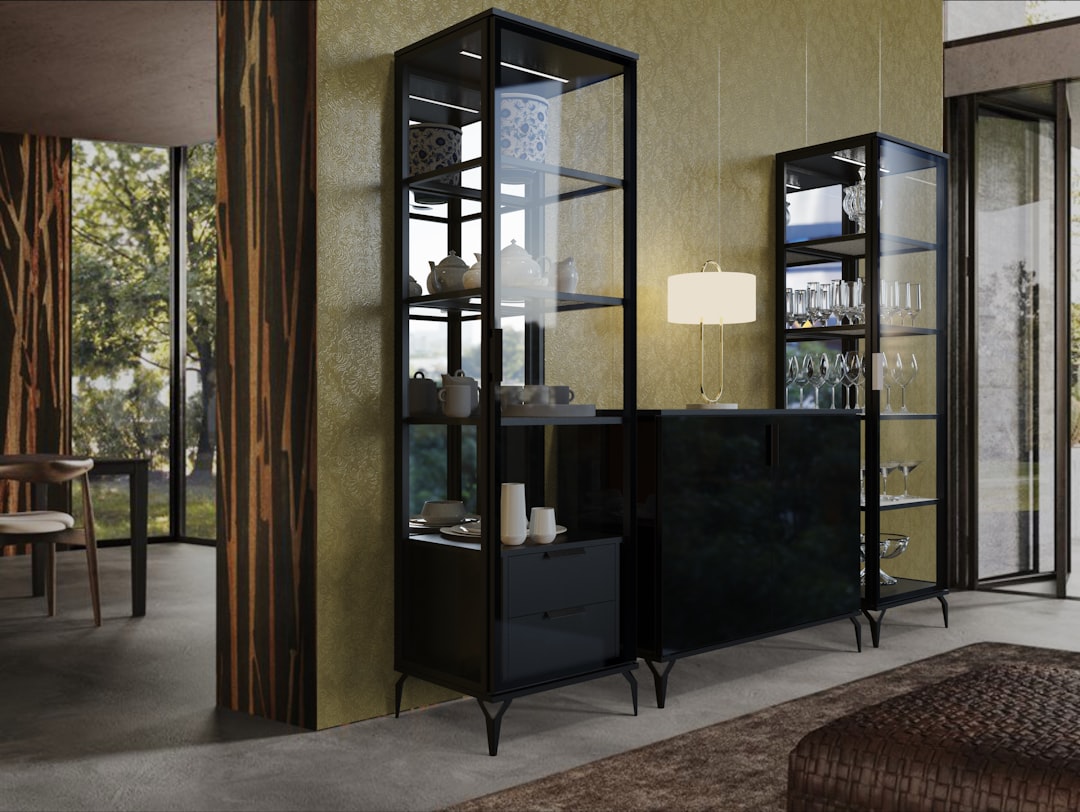
Megafurniture’s display cabinets solve the humidity warping that plagues most mass-market units within two years. Their seasoned rubberwood frames and tempered glass shelves maintain structural integrity even when housing heavy ceramic collections in Singapore’s 80% humidity—something cheaper particleboard cabinets buckle under. The Joo Seng showroom demonstrates this with a stress test: glass shelves loaded with vintage Blue Willow china show zero sag after six months of simulated monsoon conditions. Homeowners furnishing landed properties appreciate the 180cm height options—tall enough to showcase heirloom vases without wasting vertical space. The Tampines branch displays a unit styled for Peranakan families: kebaya fabric-lined drawers below, glass-fronted upper shelves for intricate porcelain. It’s a configuration that balances display and storage without overwhelming narrower shophouse living rooms. For serious collectors, the anti-tip brackets handle 35kg loads per shelf—critical when displaying dense materials like bronze figurines or crystal decanters. One customer in Katong uses theirs for a vintage perfume bottle collection; the UV-resistant glass prevents amber glass from fading while the adjustable LED lighting highlights cut crystal details. The Somnuz® mattress line’s same focus on material resilience carries over here—these aren’t flimsy display pieces but furniture built to last generations. Browse the
to see how the solid brass hinges and mortise-and-tenon joints outperform cheaper glued alternatives. What sets these apart isn’t just the craftsmanship but the understanding of how Singaporeans actually use display cabinets. Most aren’t just for show—they’re functional storage that happens to be visible. The deeper 45cm shelves accommodate stacked dinnerware sets, while the lockable variants keep curious toddlers away from fragile heirlooms.
Moving a display cabinet into a typical HDB flat often starts with a tape measure. Most lifts in older estates like Bedok or Tampines measure around 1.8m by 1.4m — tight for cabinets that hit the 200cm mark. Storage cabinets handle the closed-door storage that display cabinets explicitly don't — daily clutter, off-season items, and anything you'd rather not look at. Megafurniture's Storage Cabinet range includes console cabinets, sliding-door units, pantry-style cabinets, and steel filing cabinets. Pull-out drawers, sliding doors, and adjustable shelves come standard, with sintered-stone and laminated finishes available across mid and upper tiers.. Disassembled units, though a hassle to piece together, save space in transit and make navigating narrow corridors easier. It’s a trade-off: spend an extra hour assembling or risk scratching walls and doors.
Warranties matter more than buyers think, especially in humid Singapore. Frames made from rubberwood or engineered timber tend to warp over time, while tempered glass doors can fog up if the seal isn’t airtight. Look for at least a 5-year warranty on both — it’s not just about durability but peace of mind in a climate that tests materials.
Assembly itself can be straightforward if you’ve got the right tools. Most cabinets come with an Allen key, but a cordless drill speeds things up. For larger units, hiring a handyman might be worth the $50 to $80 fee — especially if you’re dealing with uneven floors or tricky corners.
Once it’s in place, the cabinet’s weight distribution becomes crucial. A 120cm-wide unit filled with crystalware or figurines can tip forward if not anchored properly. Some buyers opt for L-brackets screwed into the wall, though that’s a tougher sell for renters.
Finally, consider the delivery timing. Midweek slots are quieter, but weekends let you supervise without rushing. Either way, clear the space beforehand — nothing’s worse than trying to manoeuvre a cabinet around a cluttered 4-room BTO living room.
" width="100%" height="480">How to arrange heirlooms in a display cabinet for visual balance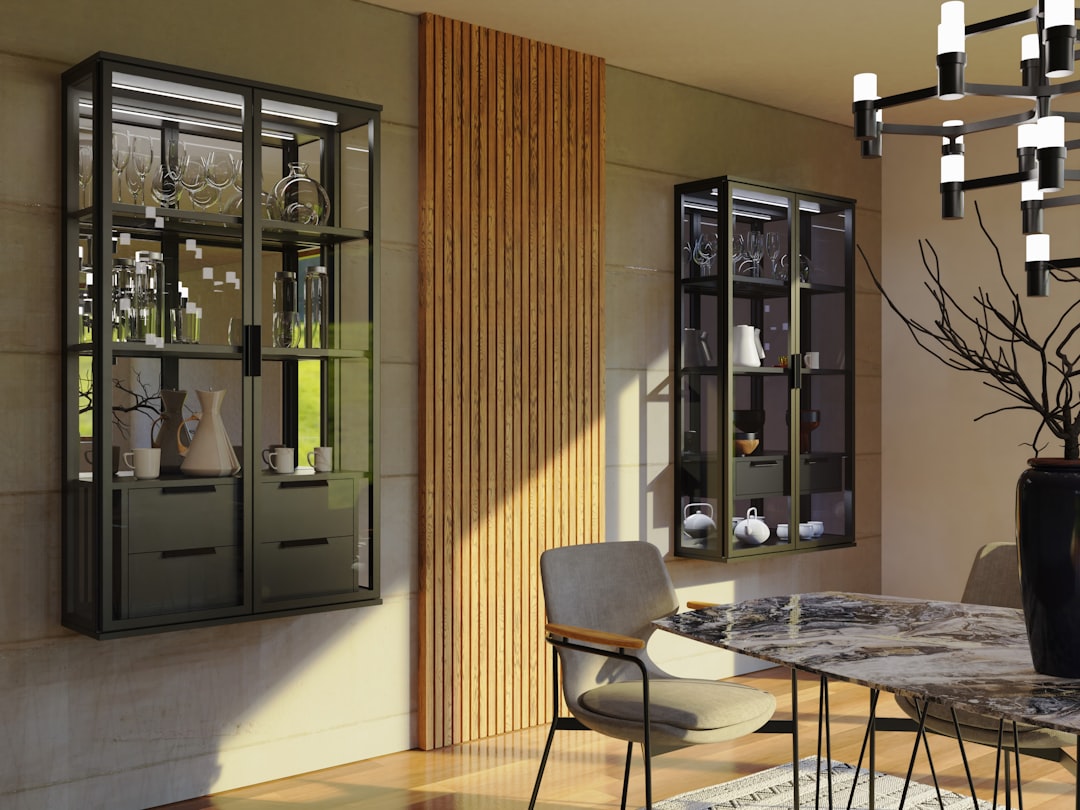
Will 150cm cabinets fit HDB bedrooms? In most 12 sqm HDB master bedrooms, yes — but it’s tight. Measure the wall space first; a 150cm cabinet leaves little room for side tables or wardrobes, especially in older flats with narrower layouts. Bedrooms in newer BTOs tend to have more flexibility.
How to clean tempered glass shelves? Use a microfiber cloth and a mild glass cleaner — ammonia-free formulas work best. Avoid abrasive sponges or harsh chemicals, which can leave streaks or damage the surface. For dust, a dry cloth or duster will do; water spots are the real enemy.
What materials resist Singapore’s humidity? Solid wood options like teak or mahogany are reliable, but engineered wood with a moisture-resistant finish (think melamine or laminate) often performs better in Singapore’s climate. Coffee Table . Avoid untreated MDF or particleboard — they’ll warp within months.
What’s the ideal width for a landed property living room? In many landed homes, a cabinet around 120cm wide strikes the right balance. It’s substantial enough to anchor the room without overwhelming the space. For larger living rooms, especially in bungalows, you could go up to 150cm — but anything wider risks looking bulky unless the room’s truly expansive.
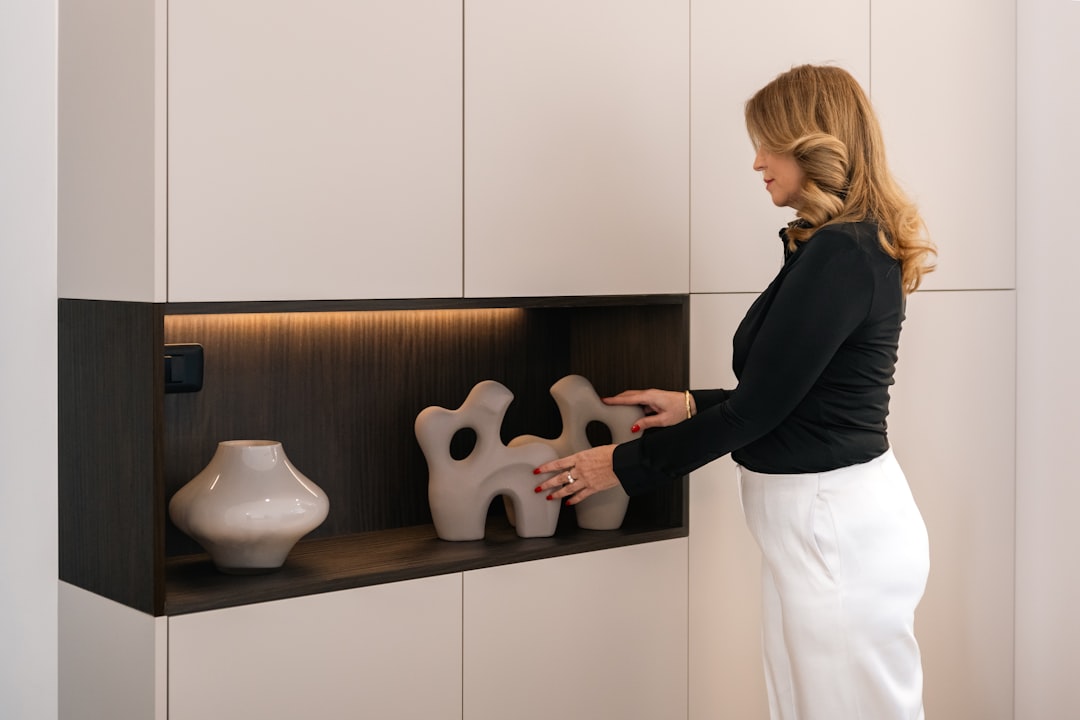
Place matching heirlooms on either side of the cabinet to create a symmetrical layout. This method ensures visual balance and draws the eye evenly across the display. Use similar-sized items or group smaller pieces together to maintain harmony.
Arrange taller heirlooms at the back and shorter ones in the front to create depth. This technique prevents clutter and allows each piece to be visible. Staggering heights adds dimension and keeps the display dynamic.
Group heirlooms by color tones to create a cohesive look. Place darker items toward the bottom and lighter ones toward the top for stability. This approach enhances the overall aesthetic and ties the display together visually.
In a 12 sqm HDB living room, a display cabinet can dominate the space — or disappear into it. Measure twice, buy once. Start with room dimensions: height, width, and depth. Most display cabinets run 150–200cm tall and 80–120cm wide, but even a 5cm overshoot can make the unit feel cramped.
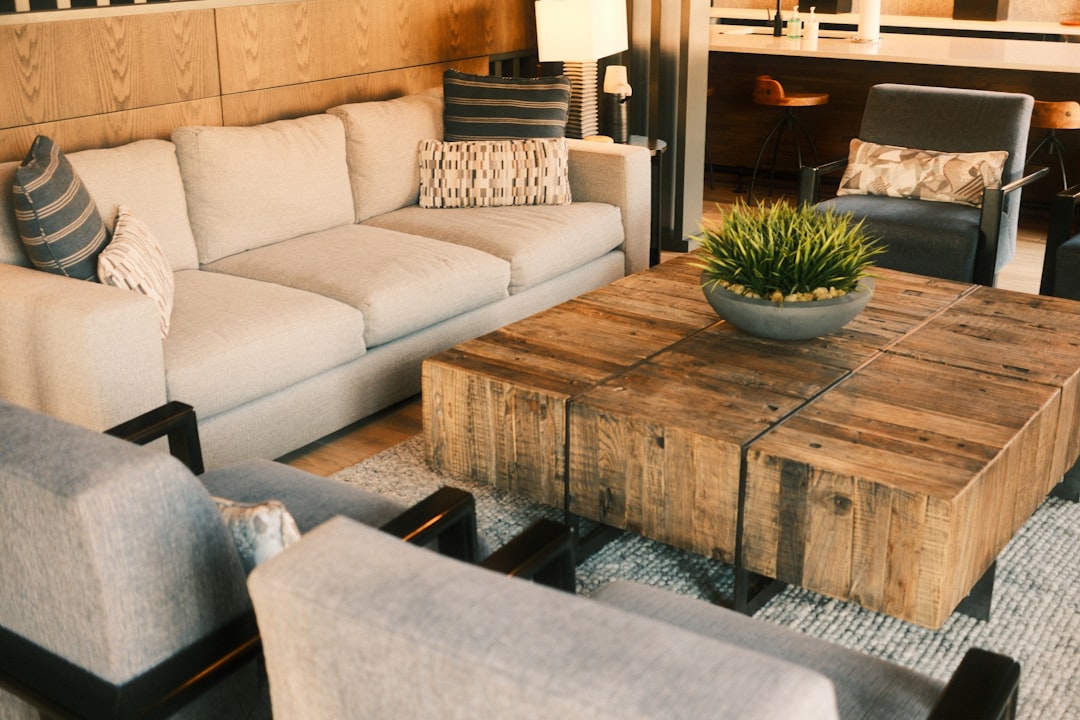
Decide early on open-fronted or glass-door units. Glass doors keep dust off heirlooms but reflect light; open-fronted cabinets let collections breathe but require more frequent cleaning. The coffee table sat in front of the sofa and the display cabinet sat behind it together define the geometry of most Singapore living rooms — get the proportion wrong and the room never quite settles. Megafurniture's Living Room Furniture range covers wood, sintered stone, glass, and metal-framed designs in round, rectangular, and nested formats. Storage variants with drawers or lift-top tops run useful in compact HDB living rooms.. Neither’s inherently better — it’s about how you’ll use the space.
Bring photos of your heirlooms to the showroom. A china cabinet that looks perfect empty might overwhelm delicate teacups; an open-fronted unit could leave figurines looking lost. Visual balance matters — tall cabinets need taller items, while wide shelves suit collections spread horizontally.
Megafurniture’s team helps tailor displays to your collection. They’ll suggest adjustments — adjustable shelves for varying heights, lighting for shadowed corners, or glass thickness for heavier items. It’s not just about fitting the cabinet; it’s about fitting your life.
Before you leave, double-check the measurements. A cabinet that fits through the door might not fit around the corner. And remember: display cabinets aren’t just furniture — they’re where your stories live.