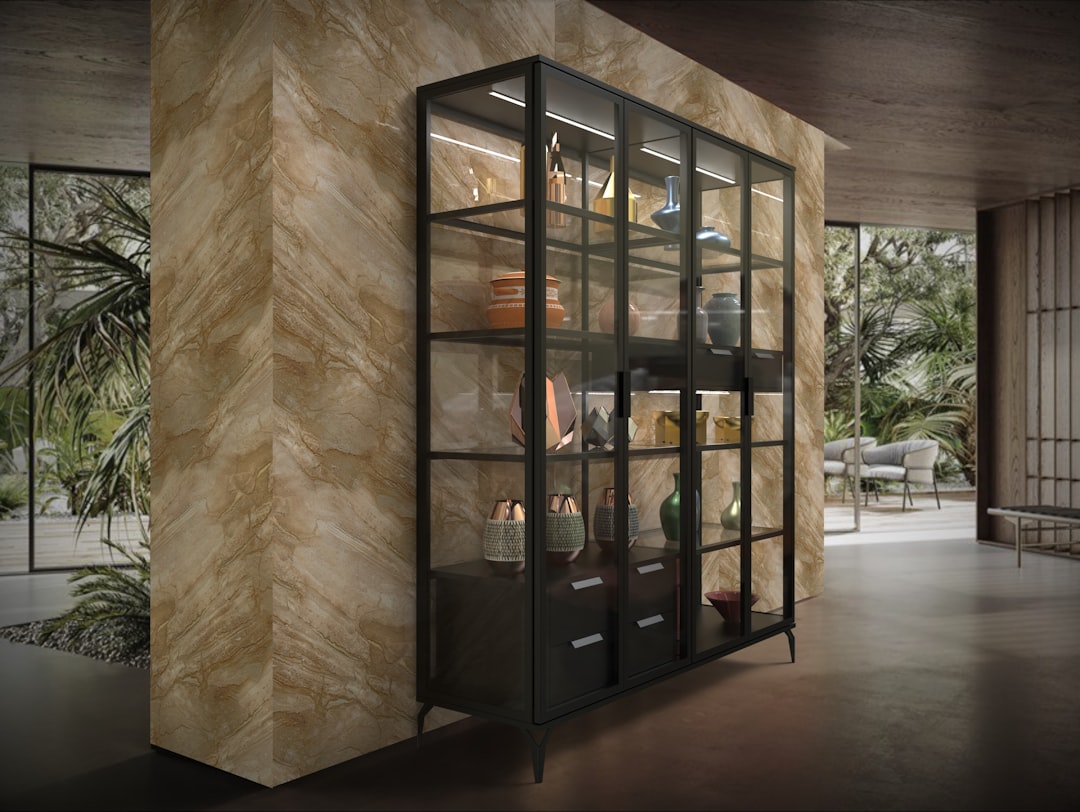
In a typical HDB master bedroom or landed property living room, Singapore’s relentless humidity doesn’t just fog up windows—it quietly attacks the finishes on display cabinets. Veneer surfaces, especially those on MDF panels, often show the first signs of wear: discoloured edges, dull patches, or a chalky texture that mars the cabinet’s appeal. For homeowners showcasing china collections or family heirlooms, this isn’t just an aesthetic issue—it’s a long-term preservation concern.
The problem lies in the materials. MDF, while affordable and versatile, absorbs moisture like a sponge, causing finishes to bubble or peel over time. Veneer, though elegant, fares little better in humid conditions; its thin layer of wood is prone to warping and fading. In neighbourhoods like Bedok or Tampines, where humidity often exceeds 80%, these issues can surface within months, leaving homeowners with cabinets that look years older than they are.
Durability matters when you’re investing in a display piece meant to last decades. For collectors of crystal or art glass, fading finishes aren’t just an eyesore—they detract from the items on display, making even prized pieces seem less vibrant. In formal living rooms, where cabinets often anchor the space, a faded finish can throw off the entire aesthetic.
It’s not just about choosing the right cabinet; it’s about anticipating how it’ll hold up in Singapore’s climate. Opting for solid wood or high-quality laminates might cost more upfront, but it’s a safeguard against the inevitable wear. After all, a display cabinet isn’t just furniture—it’s a backdrop for the stories you’re telling through your collections.
The glass doors on Auntie Lim’s teak display cabinet still slide smoothly after 15 years in her Bedok terrace house, while her neighbour’s MDF unit warped shut during last year’s monsoon season. Singapore’s 85% average humidity plays havoc with materials that work fine in temperate climates—particleboard shelves swell like stale bread, and cheap veneers peel like sunburnt skin.
Solid wood remains the gold standard for display cabinets here, with rubberwood and acacia outperforming pine in moisture resistance. Tempered glass panels (minimum 6mm thick) withstand both condensation and accidental knocks better than acrylic, which scratches easily when wiping off fingerprints. For modern laminates, look for those with moisture-resistant cores—they’ll hold screws tighter when adjusting shelves over the years.
Avoid anything with unfinished edges or particleboard construction, especially near windows where afternoon showers can splash inward. That “solid wood” bargain from a neighbourhood shop might just be wood veneer over MDF—tap the sides to check for hollow sounds. Metal frames work if powder-coated, but unsealed steel will bloom with rust stains within two wet seasons.
Older homeowners restoring antique cabinets should note that traditional shellac finishes degrade faster here than polyurethane. A Tampines workshop specialising in heritage furniture recommends reapplying carnauba wax every six months to protect against moisture ingress. Glass shelves distribute weight better than wood for heavy ceramic collections, but require silicone bumpers to prevent slipping during earthquakes.
Megafurniture’s display cabinet range includes humidity-resistant options with adjustable feet to compensate for uneven flooring—common in pre-2000 HDB flats where settling occurs. Their Joo Seng showroom keeps sample units near a humidifier to demonstrate warp resistance over time.
Master bedrooms in newer BTO flats typically measure 12–14 sqm, leaving just 60–80cm clearance between bed and wall. That's why display cabinets here rarely exceed 180cm height — anything taller dwarfs the space while collecting dust on top shelves nobody can reach. Width matters more than depth; a 100cm unit with glass doors fits flush against narrow walls without blocking walkways. Older flats with 9-foot ceilings can handle 200cm cabinets, but newer 2.6m ceilings make anything above 170cm feel oppressive. Pro tip: leave 30cm air gap above the cabinet to prevent that "squashed" look in compact rooms.
Luxury condo living rooms often feature floor-to-ceiling windows but oddly shallow walls — sometimes just 35cm deep between glass and walkway. Slimline display units under 40cm depth work best here, with adjustable shelves for varying collectible heights. Glass-backed cabinets visually expand the space while reflecting natural light, a trick designers use in Marina One residences. Avoid bulky cornices or protruding handles; they'll snag sleeves in tight walkways. For landed properties with grand staircases, proportion shifts — a 200cm cabinet looks balanced against 4m ceilings.
Dark walnut cabinets dominate small rooms like a black suit in a phone booth, while bleached oak or glass-fronted units disappear visually. That's why Tampines homeowners often choose white-stained rubberwood for 12 sqm bedrooms — the colour recedes, making walls seem farther apart. Heavy pieces need anchoring: place them against solid walls, never floating in open-concept layouts where they'll look adrift. Glass shelves lighten the load; three tempered glass tiers hold 20kg of ceramics without the heft of solid wood.
Cabinet doors swinging into walkways cause more shin bruises than any other furniture in Singapore homes. In narrow corridors common to Jalan Besar shophouses, sliding glass doors save 50cm of clearance space compared to hinged versions. Leave 90cm walkways minimum — enough for two people to pass without turning sideways. Corner units with 45-degree angles work well in odd nooks near lift lobbies, where rectangular cabinets would block fire escape routes. Always check hinge clearance before buying; some European mechanisms need 15cm to fully open.
Collections dictate proportions — a Peranakan porcelain hoard needs wide shallow shelves, while whisky decanters demand tall compartments. Adjustable shelving solves most problems, but fixed 30cm spacing wastes space on short items. LED lighting changes everything: 5mm profile strips let you place cabinets flush against walls without sacrificing illumination. For heirloom displays in landed properties, consider climate-controlled units with UV-filtering glass — afternoon sun through Ang Mo Kio windows fades lacquer finishes within months. Glass-fronted cabinets collect fewer dust bunnies than open shelving, a boon for allergy sufferers.
Prolonged exposure to direct sunlight can cause fading in display cabinet finishes. UV rays break down pigments and varnishes over time, leading to discoloration. Solutions include relocating the cabinet away from windows or using UV-filtering window films to reduce damage.
Inferior varnishes or paints may degrade faster, resulting in uneven fading. Cheap materials lack UV stabilizers or protective layers found in premium finishes. Refinishing with high-quality, fade-resistant coatings can restore and protect the cabinet long-term.
High humidity or rapid temperature changes can weaken cabinet finishes, making them prone to fading. Moisture seeps into wood or laminate, causing warping or color loss. Maintaining stable indoor humidity levels and avoiding heat sources near the cabinet helps preserve its appearance.
In Singapore’s relentless sunlight, a display cabinet without UV-protected glass is practically a ticking clock for fading finishes. It’s not just about aesthetics — the intense UV exposure accelerates the breakdown of materials, leaving once-vibrant collectibles dull and lifeless. Many buyers prioritise aesthetics or budget over functionality, only to regret it when their prized possessions lose their lustre within months.
Budget-conscious buyers might skip these features, but the long-term cost of repairs or replacements often outweighs the initial savings. It’s a classic case of penny-wise, pound-foolish — especially in a city where the sun and humidity don’t take a day off.
For homeowners in neighbourhoods like Tampines or Bedok, where sunlight streams through windows for most of the day, these considerations aren’t optional. They’re essential. A well-chosen display cabinet isn’t just about showcasing your collection — it’s about preserving it.
Ventilation gaps are another overlooked detail. In tropical climates, stagnant air traps humidity, creating a breeding ground for mould and warping. A cabinet with inadequate airflow can warp wooden shelves or cause metal components to corrode, especially in landed properties with less consistent air conditioning. It’s a silent issue that creeps up on buyers, often unnoticed until the damage is irreversible.
For collectors of delicate items like china or crystal, these oversights can be costly. A display cabinet isn’t just a piece of furniture — it’s a protective environment. Prioritising features like tempered glass with UV filtering and strategically placed ventilation gaps ensures longevity for both the cabinet and its contents.
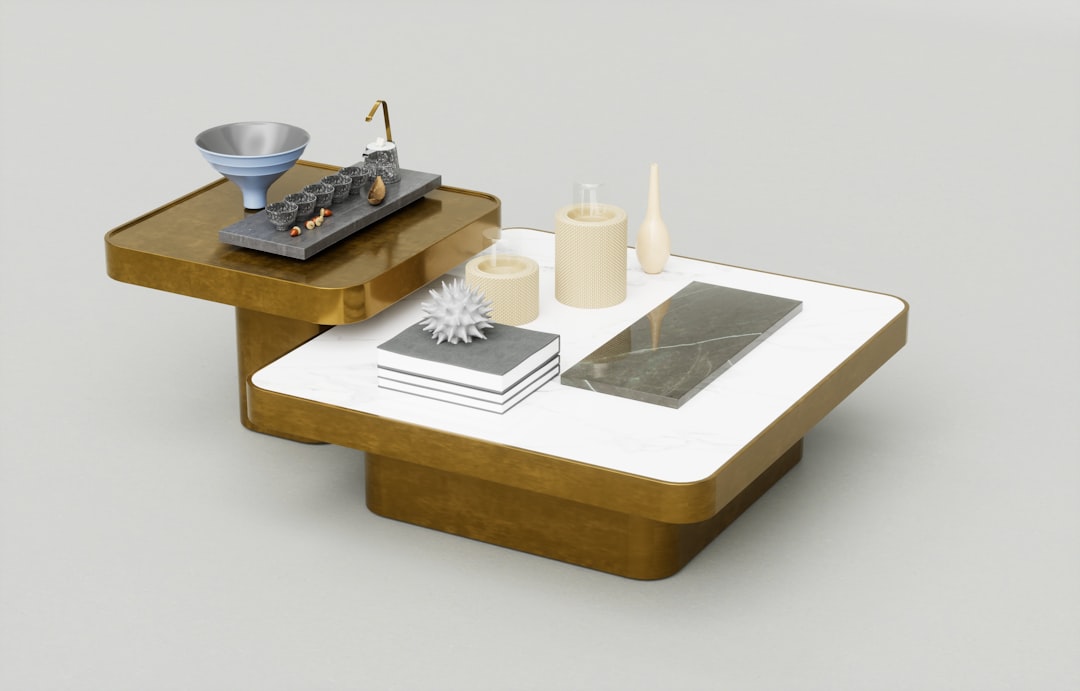
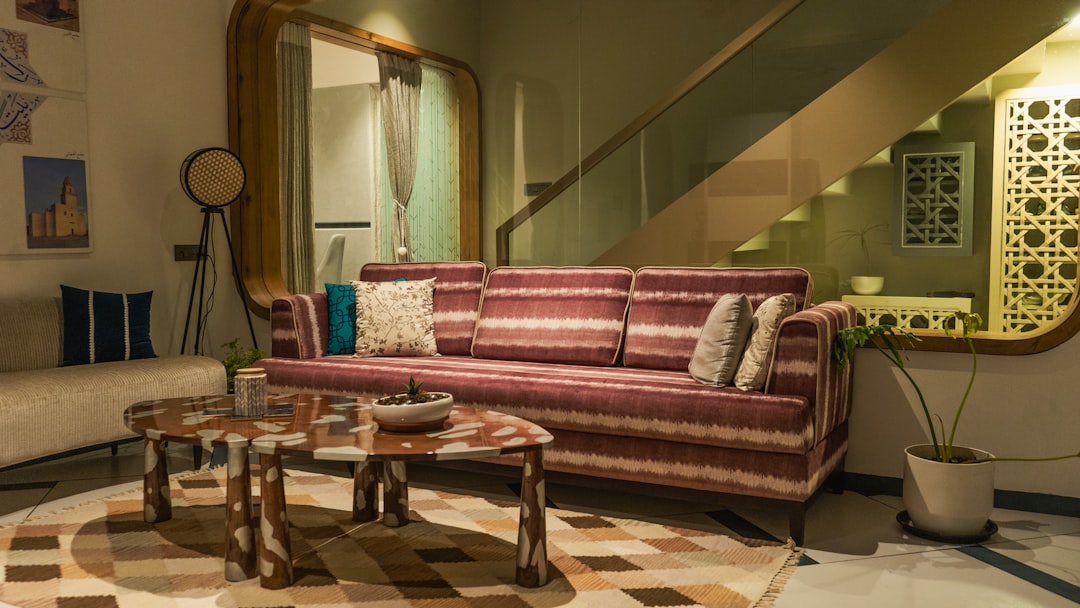
The glass doors on most display cabinets start showing condensation streaks within two years — a dead giveaway of laminate swelling at the edges. Megafurniture’s humidity-resistant cabinets sidestep this by using marine-grade plywood cores and aluminium-sealed joints, tested in their Joo Seng showroom’s climate-controlled demo room set at 85% RH. UV-protected glass makes a difference for collectors. Ordinary tempered glass filters just 30% of sunlight’s damaging rays; their laminated version blocks 99%, crucial for preserving the vibrancy of art glass or vintage comic book displays. The anti-reflective coating has another perk — it eliminates that annoying glare when you’re admiring your Lladró figurines from the sofa. Durability often comes at the cost of aesthetics, but their textured laminates mimic real wood grain convincingly. The matte espresso finish hides fingerprints better than high-gloss options popular in many landed property living rooms, while the scratch-resistant surface stands up to enthusiastic polishing sessions with heirloom silverware. For serious collectors, the adjustable shelving system accommodates odd-sized pieces — a boon when your Peranakan porcelain plates vary in height. The steel-reinforced brackets support up to 15kg per shelf, enough for most crystal decanter sets without sagging. The Tampines showroom keeps a working demo unit near the entrance, deliberately placed where afternoon sun hits hardest. After 18 months, the sample cabinet’s glass shows no yellowing — a silent testament to the UV protection. Browse the
display cabinet rangeand you’ll notice the hinges are all stainless steel, not chrome-plated; another small detail that adds years to the hardware’s lifespan in Singapore’s salty coastal air.
Narrow staircases in landed properties turn cabinet delivery into a logistical puzzle—measure doorframes and stairwells before purchase, especially for pieces over 180cm tall. Some brands offer disassembly services, but reassembly quality varies; check if they’ll tighten screws after six months when seasonal humidity shifts cause wood to expand. Warranty matters more than you’d think. That “sunlight-resistant” lacquer? It’ll yellow within a year if facing west-facing windows in Bedok or Tampines. Look for contracts specifying fade coverage, not just structural defects. Humidity warping claims often get denied unless the policy explicitly mentions tropical climates. Older homeowners tend to underestimate weight. A solid rubberwood display cabinet loaded with heirloom china can exceed 200kg—flooring reinforcement might be needed for pre-1990s maisonettes. Delivery teams accustomed to HDB lifts sometimes balk at landed property stairs, so ask about additional manpower fees upfront. Assembly hiccups usually reveal themselves during the first monsoon season. Doors that aligned perfectly in February might stick by July; glass shelves that seemed level during installation develop a slight tilt as the frame adjusts to your home’s humidity. That’s when you’ll wish you’d opted for a brand with in-house technicians instead of third-party contractors. For delicate items, consider
display cabinetswith pre-installed lighting—retrofitting wires after assembly risks damaging the finish. Glass panels should arrive factory-fitted; local glaziers rarely match the original beveling or anti-slip silicone dots.
How to clean UV-protected glass? Use a microfiber cloth dampened with distilled water or a mild glass cleaner — avoid ammonia-based products, which can degrade the protective coating over time. For stubborn smudges, a 50-50 mix of white vinegar and water works well, but rinse thoroughly to prevent residue. Always wipe in a circular motion to minimise streaks.
Can fading finishes be repaired? Fading finishes are typically caused by prolonged exposure to sunlight or humidity. For minor fading, furniture polish or wax can restore some lustre, though it’s a temporary fix. Severe cases may require professional refinishing — sanding and reapplying the finish — which costs around $200 to $400, depending on cabinet size and material. Prevention is key; consider relocating the cabinet or using UV-filtering window films.
Best cabinet placement for HDB living rooms? Placement depends on room layout and sunlight exposure. In many HDB flats, positioning the cabinet perpendicular to windows reduces direct sunlight, minimising fading risks. Avoid placing it near aircon vents or humid areas like bathrooms — humidity can warp wood finishes over time. For smaller living rooms, a corner placement maximises space while keeping the cabinet away from high-traffic areas.
The moment before stepping into a showroom is when most Singaporean buyers realise they’ve forgotten to measure their alcove—twice. That awkward gap between wall and cabinet isn’t just unsightly; it’s a dust trap in our humidity. Standard display cabinets run 150–200cm tall and 80–120cm wide, but older HDB niches often demand custom cuts. Bring a tape measure, not guesses.
Glass quality matters more than you’d think. That UV-resistant coating isn’t marketing fluff—it’s what keeps your Peranakan porcelain from fading in our relentless sunlight. Humidity-resistant finishes aren’t optional either; warped wood panels after one monsoon season are a common complaint in landed homes near Siglap or Katong. Look for tempered glass (minimum 5mm) and sealed hardwood edges—rubberwood’s affordable, but teak handles moisture better.
Shelving depth is where collectors trip up. Those vintage whisky decanters need at least 35cm clearance, while Limoges boxes can get by with 20cm. Open-backed units work for air circulation in our climate, but glass doors are non-negotiable if you’re near East Coast Park’s salt air. For heirlooms, consider internal lighting—LED strips beat halogen for heat-sensitive items.
Megafurniture’s collection offers several humidity-tested options, though you’ll want to verify the glass specs in person. Their Tampines showroom lets you test drawer slides—listen for that silent close, because squeaky runners ruin the serenity of a good display. Bring photos of your space; sales staff can flag clearance issues you might miss. And always check the hinge mechanism—glass doors get opened more often than you’d think.