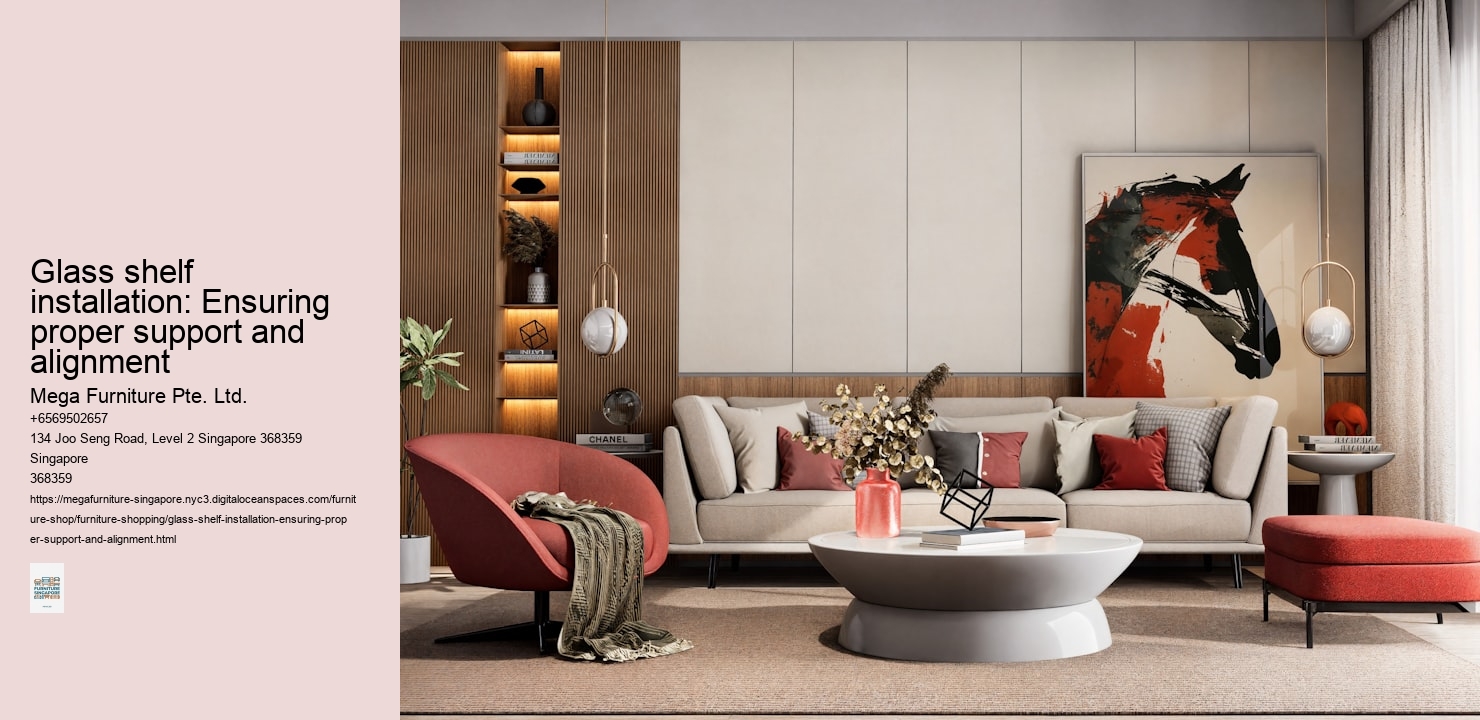
In Singapore’s humid climate, glass shelving often becomes a warzone between condensation and aesthetics. HDB master bedrooms, typically around 12 sqm, demand solutions that don’t just look sleek but can handle humidity levels consistently over 80%. Tempered glass shelves, around 6–8mm thick, are a common choice — they’re less prone to warping and easier to clean than untreated alternatives. For landed property living rooms, where space isn’t as tight, floating glass shelves can create a modern, airy feel without overwhelming the room. Mounting is crucial. In HDBs, where walls are often concrete, proper anchoring with stainless steel brackets prevents sagging over time. For landed homes, where walls might be plasterboard or brick, adjustable brackets offer flexibility — especially if you’re displaying heavier items like crystal or art glass. Avoid overloading shelves; even tempered glass has its limits, and uneven weight distribution can lead to cracks. Cleaning glass shelves in Singapore’s sticky air isn’t just about Windex. A microfiber cloth and a mix of vinegar and water can prevent streaks, while a dehumidifier in the room keeps moisture at bay. For those with collections, consider anti-slip pads or museum gel to secure delicate items — it’s a small detail that can save a prized heirloom from a catastrophic slip. Storage cabinets with glass shelving, like those found in
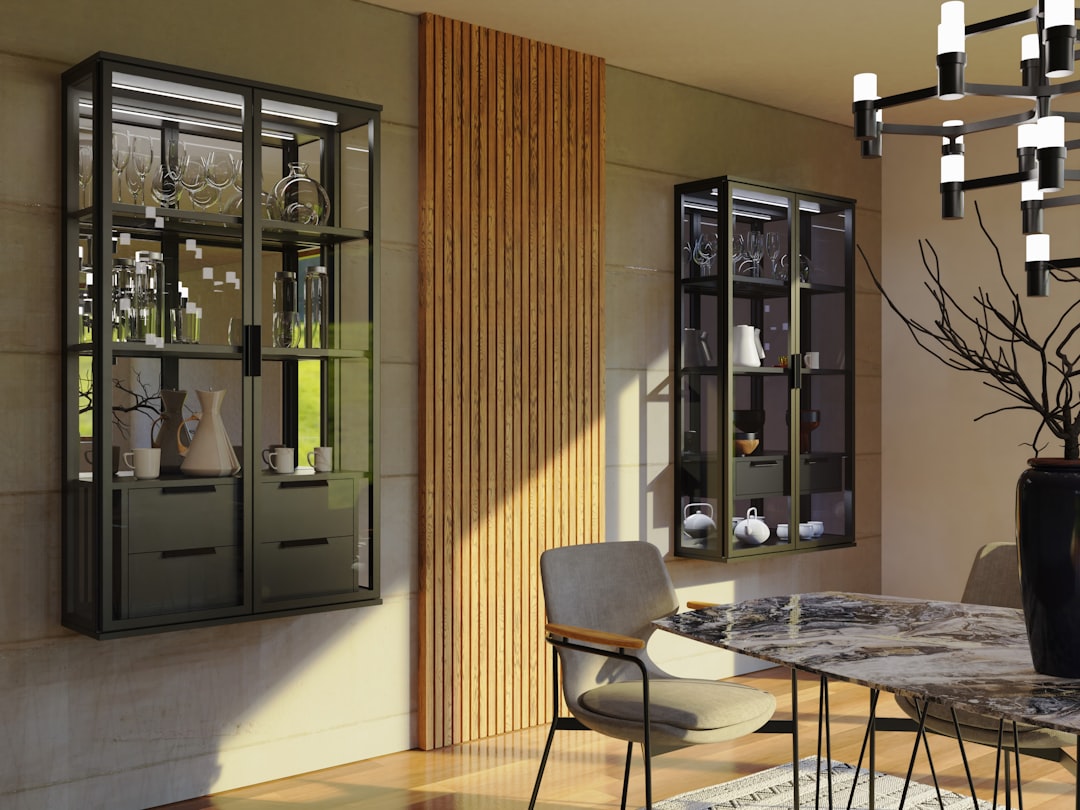
Megafurniture’s collection, often come with integrated lighting. LED strips or spotlights not only highlight your display but also reduce the need for additional floor lamps, freeing up space in compact rooms. Just make sure the wiring is tidy — nothing ruins a minimalist look faster than tangled cords.
Singapore’s humidity warps cheap plywood shelves within a year — but tempered glass holds up. At 6–12mm thickness, it resists scratches better than standard glass, and when paired with proper brackets, can support up to 15kg per shelf without sagging. Just avoid thin, untempered options; they’re prone to chipping under the weight of ceramic vases or stacked dinnerware.
Stainless steel brackets outlast powder-coated ones in coastal areas like Pasir Ris or Sentosa, where salt air accelerates rust. Look for 304-grade steel, which won’t leave orange streaks on glass after a few monsoon seasons. Cheaper alternatives might save $20 upfront, but replacing corroded brackets means dismantling the entire display cabinet later.
Moisture-resistant finishes matter for the cabinet frame, especially in ground-floor units with higher humidity. Acrylic-coated MDF is a common budget pick, but it swells at the edges after prolonged exposure — opt for marine-grade plywood or solid rubberwood instead. Darker finishes like espresso or walnut hide water spots better than light oak in homes without aircon running 24/7.
Warping isn’t always visible at first. A collector in Toa Payoh might not notice their teak veneer shelves bowing until a Limoges plate slides off. Tempered glass avoids this entirely, though it’s heavier — ensure your cabinet’s side panels are reinforced if you’re loading it with crystal decanters or bronze figurines.
Some homeowners swear by glass shelves for displaying Peranakan porcelain, but they’ll need monthly wiping to avoid dust shadows. Matte finishes on steel brackets reduce fingerprint smudges, while bevelled glass edges catch fewer reflections from overhead LED spotlights in a formal living room.
Mismatched shelf depths — typically 45cm versus 60cm — are a common oversight when installing glass display shelving. In HDB flats, where wall space is limited, deeper shelves can protrude awkwardly into walkways, while shallower ones may fail to support larger collectibles. For china cabinets or curio displays, shelves that are too deep risk destabilising delicate items, especially if weight distribution isn’t even. Homeowners often forget to measure their display pieces first, leading to shelves that don’t fit their collections. Proper depth ensures both stability and aesthetic alignment with the room’s proportions.
Overlooking wall anchors in HDB plasterboard walls is a frequent mistake that compromises safety. Glass shelves, especially when loaded with heavy collectibles, exert significant pressure on mounting points. Without proper anchors, shelves can pull away from the wall, risking damage to both the display and the surrounding area. Many homeowners assume standard screws will suffice, but plasterboard requires specialised fixings for secure installation. Investing in quality anchors ensures the shelving remains stable and safe for years.
Ignoring weight limits is another common error, particularly when displaying dense items like crystal or art glass. Glass shelves have a maximum load capacity, often overlooked during initial planning. Overloading shelves not only risks breakage but also strains the cabinet’s frame, potentially causing long-term damage. Homeowners should distribute weight evenly and avoid placing heavy items near the edges. Understanding these limits prevents accidents and preserves the integrity of the display unit.
Poor alignment during installation can make even the most elegant display cabinet look amateurish. Shelves that aren’t level or evenly spaced disrupt the visual flow and can cause items to slide or topple. In many homes, DIY installations suffer from uneven brackets or rushed measurements. Using a spirit level and taking time to mark precise positions ensures a professional finish. Proper alignment enhances both functionality and the overall aesthetic of the display.
Selecting the wrong glass thickness is a mistake that affects both durability and appearance. Thinner glass may shatter under pressure, while thicker panes can overwhelm the cabinet’s design. Tempered glass is ideal for safety, as it’s less likely to break into sharp pieces. Homeowners should also consider frosted or clear glass based on their display needs — frosted glass diffuses light beautifully, while clear glass showcases items directly. The right material choice balances safety, aesthetics, and practicality.
The glass-fronted display cabinet in Megafurniture’s Tampines showroom had fingerprints smudged along its lower left panel — proof of how often buyers test the smoothness of its hinges before committing. That’s the advantage of visiting their Joo Seng or Tampines locations: you’ll spot details invisible online, like whether the 180cm-tall unit wobbles when adjusting shelves, or if the back panel reflects your heirlooms with a greenish cast under LED spotlights. Most collectors underestimate shelf depth. A 35cm-deep cabinet swallows small figurines whole, while 25cm forces you to angle dinner plates — Megafurniture’s showrooms let you mock this up with their demo Limoges teacups. Their staff won’t hover, but they’ll fetch a tape measure if you’re eyeing the 90cm-wide model for a niche between your HDB living room’s structural column and the AC unit. The tempered glass feels colder than expected in person — a giveaway it’s 8mm thick rather than the flimsy 5mm used in cheaper units. You’ll notice the difference when tapping the doors; the resonance matters more than you’d think for something meant to stay shut 360 days a year.
includes a walnut-finish model with interior lighting that’s surprisingly tasteful — none of that rainbow RGB nonsense. Just warm 2700K LEDs highlighting the bevelled edges of your grandmother’s jade collection without bleaching the colour out.
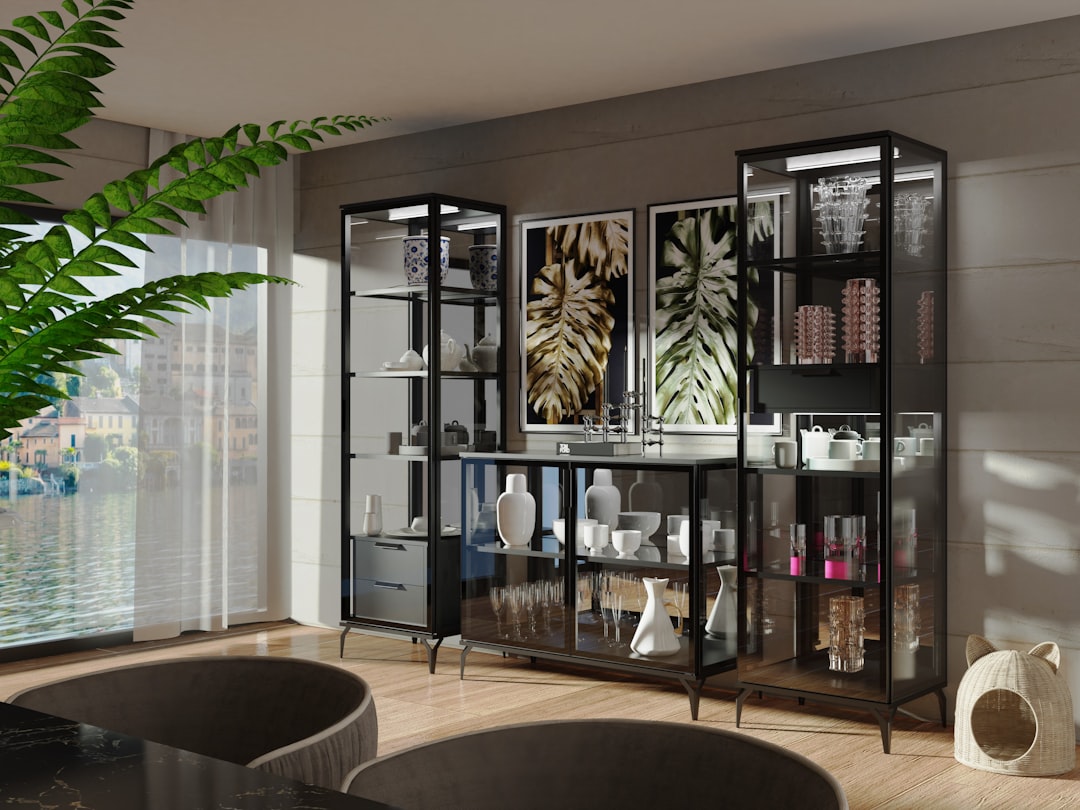
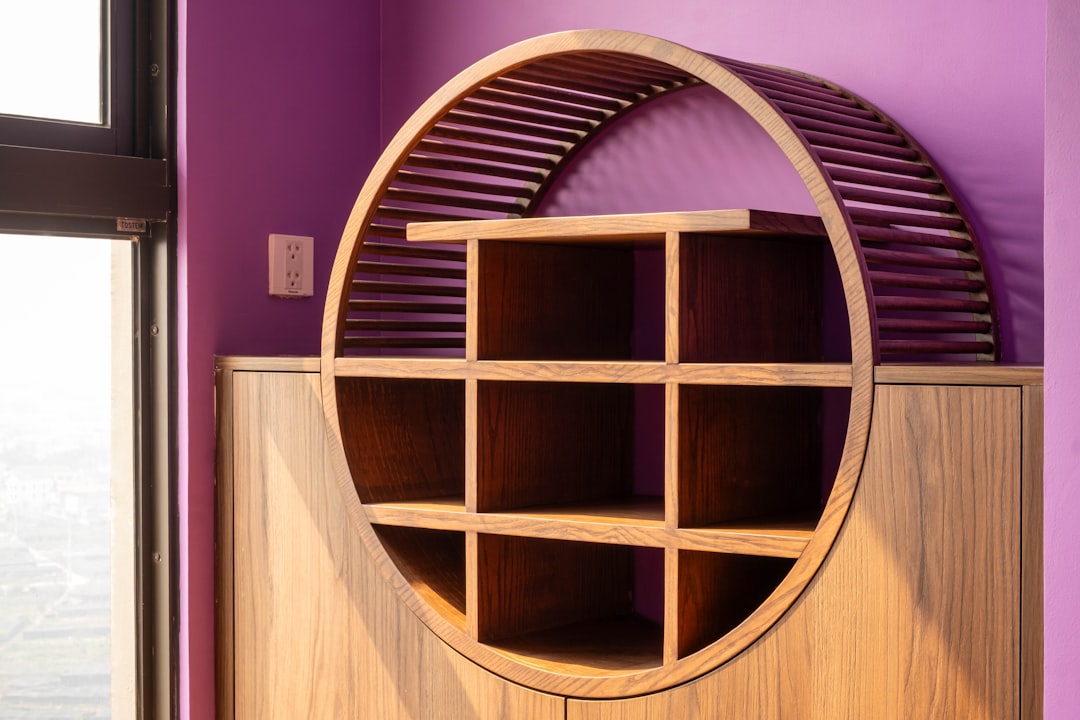
Delivery timelines for display cabinets vary wildly between HDB flats and landed properties — contractors often quote 4–6 weeks for condos, but landed homes in Bukit Timah or Sentosa Cove might see 8–10 week delays during monsoon season. That glass shelving unit you ordered during the Great Singapore Sale? It’ll likely arrive by National Day, but the installer won’t slot it between your existing built-ins until Hari Raya Haji. Professional assembly isn’t just about avoiding chipped edges; it’s physics. A 180cm tempered glass display cabinet weighs 45–60kg empty — add your grandmother’s Nonya porcelain collection, and you’re looking at 120kg of sideways torque on those MDF anchor points. Contractors typically charge $120–$250 to shim uneven floors in pre-war shophouses, where walls lean like tired uncles at a kopitiam. Older homeowners often underestimate three things: doorway clearances (many display cabinets won’t fit past the 68cm standard HDB lift door), load-bearing walls (that “feature wall” might just be plasterboard), and the Singaporean humidity warping cheap cam locks. A proper install includes laser levelling, silicone bumpers to prevent glass-on-glass vibration, and adjusting door hinges weekly for the first month as the wood settles. Megafurniture’s team once found a 1970s Peranakan cabinet wedged so tightly into a Tiong Bahru flat, they had to remove the window grilles — the owners had been walking around it sideways for decades. That’s why their installers now carry angle grinders and a laminated diagram of common HDB structural beams. Browse their
display cabinet collectiononly after measuring your stairwell’s pivot points. The real test comes during Thaipusam — if your Lalique figurines stay put through the nearby procession’s bass drums, you’ve either paid for proper anchoring or accidentally created a very expensive seismic dampener.
Glass shelves in Singapore homes face two universal truths: humidity warps cheap plywood backing within months, and every collector eventually forgets their own shelf weight limits after the third heirloom plate. Most display cabinets here hold 8–12kg per tempered glass shelf — enough for a set of Noritake china or Lalique vases, but risky once you start stacking Grandma’s antique jade collection. Humidity-resistant silicone pads (sold at Daiso for $2.80/pack) prevent slipping; wipe down monthly with diluted white vinegar to avoid clouding from airborne grease in open kitchens. Curio cabinets in landed properties often use 6mm glass — fine for Pasir Ris’ sea breeze, but prone to vibrating from MRT trains if placed near shared walls in BTO flats. Alignment matters more than you’d think: a shelf 1cm off-level makes crystalware look like it’s sliding even when secure. The real test comes during Chinese New Year, when relatives gift enough mandarin oranges to collapse a poorly secured shelf. Stick to displaying lightweight collectibles in compact HDB spaces — that limited-edition anime figurine collection won’t strain the seams like your mother-in-law’s ceramic elephant army. For those needing sturdier options, Megafurniture’s
display cabinetscome with reinforced crossbars for heavier loads. Just remember: no shelf survives a determined toddler’s grip on the lower rack.
Before installing glass shelves, verify the cabinet's support brackets or pins can handle the intended load. Thicker glass or heavy displays may require reinforced hardware. Always check manufacturer guidelines to prevent overloading and potential shelf failure.
Use a laser level to ensure shelf brackets are perfectly aligned before installation. Even minor tilting can cause items to slide or distort the display's appearance. Double-check measurements at multiple points along the mounting surface.
Apply transparent silicone pads or microfiber strips to prevent items from shifting on glass surfaces. These discreet additions maintain visibility while improving safety. Avoid abrasive materials that could scratch the glass over time.
Glass shelves look weightless until you’re holding a 90cm panel wondering if the brackets will hold your grandmother’s Nonya porcelain. Measure twice: most display cabinets need shelves 30–40cm deep, but heirloom plates demand 45cm. That extra 5cm means the difference between a teapot fitting flush or hanging precariously over the edge. Check the glass thickness — 8mm tempered is standard for shelves under 80cm, but anything wider needs 10–12mm to prevent bowing under ceramic vases. Older HDBs often have slightly warped walls; look for adjustable brackets that can compensate for 1–2cm irregularities. A spirit level won’t help when your pre-war shophouse floor slopes 5 degrees toward the drain. Lighting matters more than you’d think. LED strips should sit at least 15cm back from the glass edge to prevent hotspots on collectibles. Warm white (2700–3000K) mimics museum conditions better than the cool white flooding most BTO ceilings. For crystal, position lights to graze across surfaces rather than beam downward — it’s the difference between a chandelier prism effect and what looks like a 7-Eleven freezer cabinet. Installation’s the silent killer. Tiled feature walls need diamond drill bits; drywall requires butterfly anchors. That sleek floating shelf design? Useless if your 1980s HDB structural wall hides pipes exactly where the mounting points should go. Keep putty and touch-up paint handy — even the steadiest hands leave marks when drilling at shoulder height. Some collectors swear by UV-filtering glass for protecting vintage photographs, but it yellows acrylic displays over time. For mixed collections, stick with clear tempered glass and rotate light-sensitive items every few months. The
right display cabinetshould outlast both the treasures it holds and the trends that made you buy it.