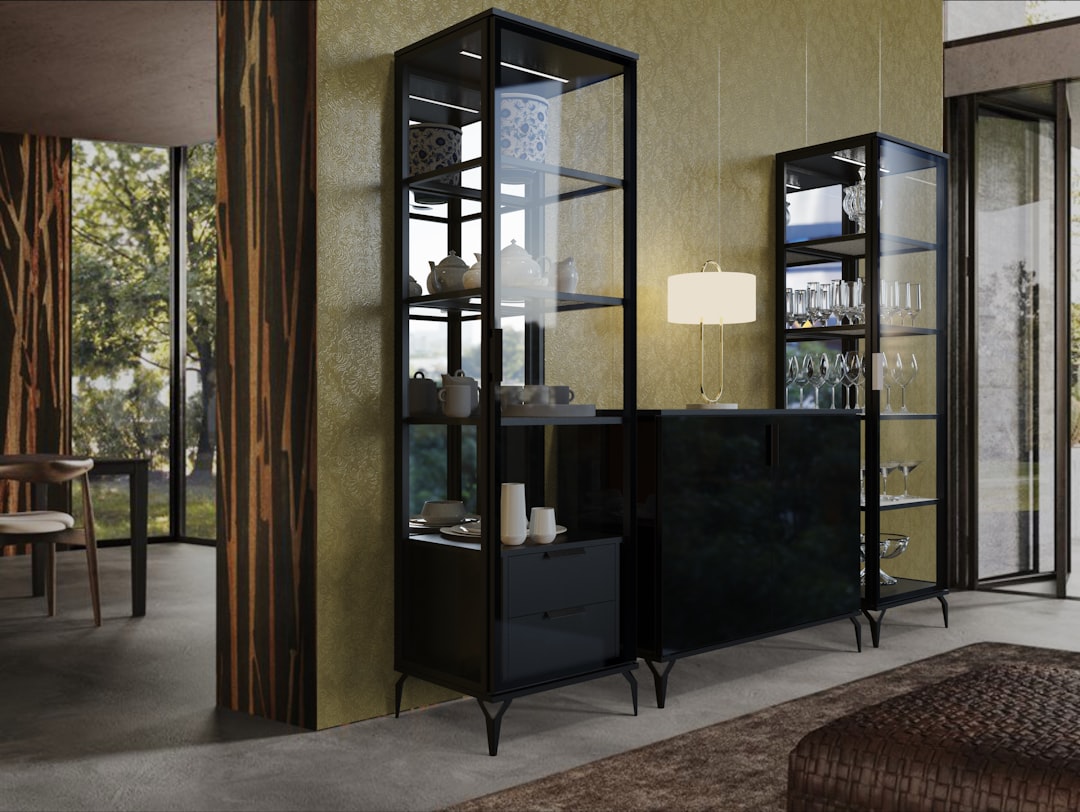
Singapore’s humidity doesn’t just frizz hair—it warps wood, fogs glass, and turns heirloom porcelain into science experiments. Walk into any landed property’s formal living room after a month of monsoon season, and you’ll find display cabinets sweating like a kopitiam uncle during peak lunch hour. The problem isn’t the cabinet itself, but stagnant air; that 180cm teak showcase holding your Peranakan famille rose collection becomes a terrarium without proper airflow.
Vents matter more than aesthetics here. A mesh backing or 1cm gap along the cabinet’s crown might seem trivial, but it’s the difference between your Lladró figurines developing a fuzzy green patina and staying pristine. For HDB dwellers—especially those in older flats near Eunos or Bedok where humidity lingers like a bad karaoke encore—look for designs with at least two ventilation points. Glass shelves help, but only if there’s space for air to circulate behind them; sealed backs turn into condensation magnets.
The worst offenders are those "museum-style" display cases with airtight seals—great for galleries, disastrous for a 12 sqm bedroom-turned-display-nook in a Tampines BTO. Moisture pools where you least expect it: behind photo frames, under crystal decanters, even between stacked china plates. One client found her wedding porcelain growing mushrooms after six months in a "luxury" sealed cabinet; the repair bill eclipsed the cabinet’s cost.
Landowners with sprawling collections often retrofit existing units with discreet computer fans or dehumidifier rods—overkill for most, but telling of our climate’s ruthlessness. For the average homeowner, it’s simpler: prioritize cabinets that breathe. Megafurniture’s range includes options with integrated airflow channels—subtle slats at the base, mesh panels disguised as fretwork—because surviving Singapore’s weather requires more than just good looks.
A display cabinet sits in the awkward middle ground between bookshelf and storage cabinet — closed glass-front protection for the items you want visible but not collecting dust. Megafurniture's Display Cabinet range covers glass-front, curio, wall-mounted, freestanding, and smart-cabinet variants in solid wood, MDF, and metal-framed constructions. Average pricing for glass-front variants sits around $271, with LED-lit and motorised-shelf models commanding the higher tier..HDB master bedrooms rarely exceed 12 sqm after accounting for the mandatory queen bed—that leaves about 80cm clearance along one wall if you're lucky. Slimmer cabinets at 80cm width become necessities, not choices, especially when housing work shirts that can't wrinkle or folded bedsheets that refuse to stay neat. Modular shelving adapts better than fixed compartments; adjustable heights accommodate everything from folded yoga mats to stacked shoeboxes without wasting vertical space. Engineered wood outperforms solid timber here—the humidity swings between monsoon seasons warp cheaper plywood, while laminates bubble at the edges. Acrylic-fronted cabinets shed visual weight in tight quarters; their reflective surfaces bounce what little natural light filters through those narrow bedroom windows. Look for recessed handles that won't snag pajama sleeves when squeezing past at night. Older flats pose particular challenges—those awkward structural beams near the doorway often eat into precious storage real estate. Custom solutions might carve out shallow cabinets (35cm depth) behind the bedroom door, sacrificing some hanging space for additional shelves. It's why many homeowners retrofit their BTO's basic wardrobes within five years of moving in. Ventilation matters more than most realise. That 10cm gap behind the cabinet isn't just for cable management—it prevents musty odours from seeping into stored linens during Singapore's endless summer. Slatted base panels or mesh-backed designs help, though they'll require more frequent dusting. Some opt for open shelving with fabric bins, trading dust for airflow and easier reconfiguration as needs change. For those determined to maximise every square centimetre,
Megafurniture's space-saving cabinetsoffer integrated lighting—a small luxury that makes rummaging for work clothes at 6am slightly less grim. Just mind the delivery fees; narrow HDB stairwells sometimes demand dismantled units and reassembly on-site.
Untreated teak or oak cabinets in landed properties near Punggol or Pasir Ris often develop hairline cracks within two years — the wood expands during monsoon seasons, then contracts violently when aircon kicks in. Warped doors that won't close properly plague about 30% of solid wood display units in non-airconditioned living rooms, particularly those facing west with afternoon sun exposure. Moisture-resistant MDF with melamine veneer outperforms raw timber in these conditions; the engineered core resists swelling better than natural grain patterns. For buyers insisting on solid wood, look for kiln-dried stock treated with penetrating oils rather than surface varnishes that trap humidity against the material.
Display cabinets with full glass panels from base to crown reduce dust accumulation by 60-70% compared to open shelving units, a boon for collectors near construction-heavy areas like Tengah or Jurong East. The sealed environment also minimises direct contact with Singapore's 80-85% relative humidity, though condensation can form if temperature differentials aren't managed. Opt for tempered glass at least 5mm thick — thinner panels in budget units from neighbourhood shops tend to develop micro-fractures when metal frames expand. Glass-to-glass joints should have silicone buffers rather than rigid glue to accommodate seasonal movement.
Powder-coated aluminium frames outlast painted steel in coastal areas like East Coast or Sentosa Cove, where salt spray accelerates corrosion on cheaper metals. The anodised finish prevents white rust spots that inevitably appear on untreated steel frames within 18 months of installation. For traditionalists wanting wood frames, rubberwood with catalyzed lacquer holds up better than pine or nyatoh in Singapore's climate — its closed grain structure absorbs less ambient moisture. Avoid hollow metal tubes; condensation inside unseen cavities becomes breeding grounds for mould that eventually stains exterior surfaces.
High-gloss polyester finishes show water spots and fingerprints more readily than satin or matte treatments, requiring weekly wiping in homes with children or frequent guests. Catalysed conversion varnishes provide better moisture resistance than standard polyurethane, though the application process adds 15-20% to production costs. For MDF units, look for thermally fused laminate rather than adhesive-backed veneers — the heat-bonded edges won't peel when humidity hits 90% during November monsoon season. Dark walnut and espresso finishes disguise moisture-related discolouration better than white or grey stains.
Built-in LED lighting generates enough heat to create convection currents that reduce stagnant air pockets behind collectibles — position strips along the cabinet's crown rather than base to encourage airflow. Perforated metal kickplates at the bottom of floor-standing units allow passive ventilation without visible gaps; aim for at least 120cm² of open area per linear metre. In landed properties with consistent humidity issues, discreet USB-powered computer fans mounted in the plinth can move 15-20 cubic metres of air per hour without audible noise. Just avoid placing moisture-sensitive items like vintage paper directly in the airflow path.
It’s easy to spot a display cabinet bought in haste — the glass doors fogged with condensation, the shelves cramped with items that don’t quite fit. Overlooking ventilation gaps is a classic misstep; buyers often prioritise aesthetics, opting for fully enclosed designs that trap moisture. In Singapore’s humid climate, this leads to mould creeping into corners, especially in landed properties where damp-proofing is frequently ignored. A cabinet with proper airflow, even if it’s not the most eye-catching piece, will keep your heirlooms pristine for years.
Choosing purely for looks also leads to impractical storage solutions. Display cabinets with intricate carvings or delicate finishes might catch the eye, but they’re a nightmare to maintain. Dust collects in crevices, and cleaning glass panels becomes a chore. Families with young children or pets might find that open-fronted designs, while stylish, leave fragile items vulnerable to accidental knocks.
Another common oversight? Failing to measure room dimensions before committing. In a 12 sqm HDB bedroom, every centimetre counts — a cabinet that’s too wide can block access to the wardrobe or make the space feel claustrophobic. Yet, buyers often rely on rough estimates, only to realise the piece overwhelms the room. Worse, they’ll cram oversized cabinets into formal living rooms, leaving little space for movement or other furniture.
The irony is that many of these mistakes are avoidable with a bit of foresight. A cabinet that’s both functional and beautiful exists — it’s just a matter of balancing form with practicality. Take the time to consider how the piece will fit into your daily life, not just how it’ll look in the showroom.
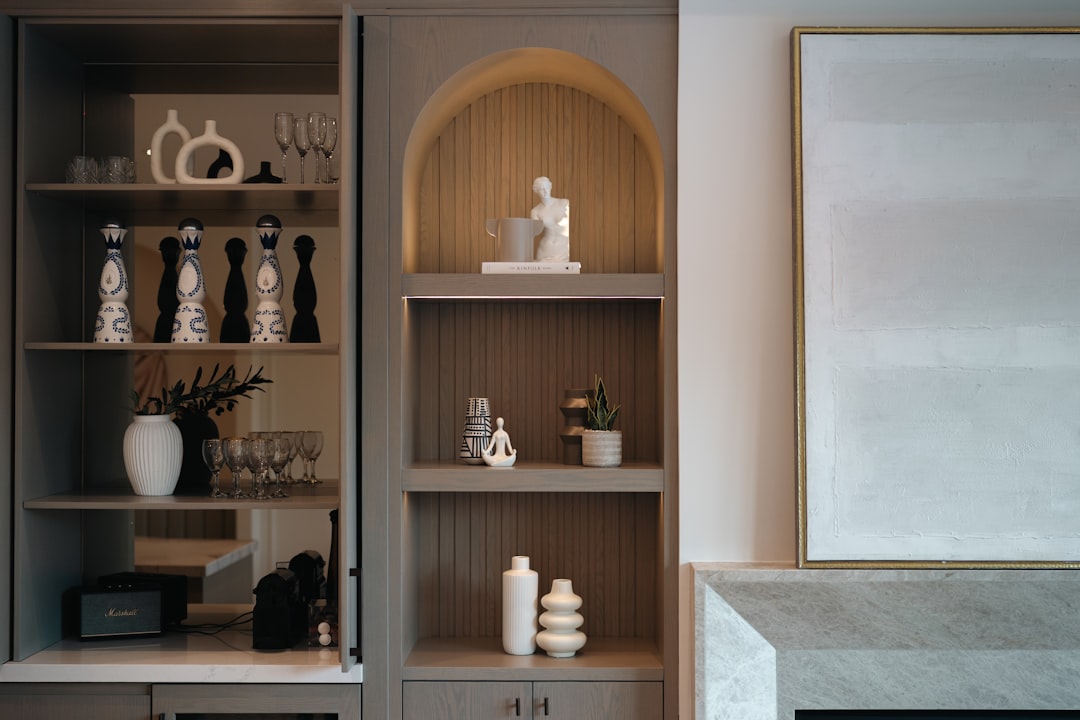

The humidity in Singapore’s landed properties and older HDB flats does more than fog up windows—it warps cabinet joints, fogs glass panels, and leaves heirloom china smelling musty after a few rainy seasons. That’s where showrooms matter: you can run a hand along the ventilation gaps of a curio cabinet, test how smoothly its glass doors slide, and see if the interior lighting shows off crystal without overheating the shelves. Staff at Joo Seng and Tampines locations know the quirks of local homes—they’ll point out which solid wood frames resist swelling in Bedok’s coastal air, or why tempered glass doors suit a 4-room BTO’s aircon shifts. The range spans from 180cm-tall traditional china cabinets with brass latticework to minimalist 90cm-wide open shelves for figurine collectors. Humidity-friendly materials aren’t an afterthought here; they’re built into designs, like mesh-backed panels behind display niches or raised feet to keep baseboards clear of damp floors. For buyers furnishing formal living rooms, seeing a 200cm-wide display unit in person reveals what photos don’t: how much clearance you’ll need to access the deepest shelves, whether the interior finish hides fingerprint smudges, and if the glass reflects ceiling lights at an awkward angle. It’s the difference between a cabinet that becomes part of the room’s architecture and one that just holds things. Older homeowners often underestimate how much their collections have grown—what fit in a 120cm cabinet a decade ago now spills onto side tables. Showroom visits help visualise proportions; a curio cabinet might look imposing online but feel surprisingly compact beside a landed property’s staircase, or a modern open-front design could turn a cramped HDB hallway into a gallery space. The real test comes when you bring a tape measure and your most awkwardly sized heirloom—say, a 40cm-tall Peranakan vase. Staff will suggest solutions on the spot: adjustable shelves for irregular items, UV-filtering glass for fragile textiles, or even customising a base cabinet to match existing
display units.
Delivery crews will eyeball your lift lobby before unloading—standard practice for HDB blocks where 90cm-wide lifts can’t handle some cabinet widths. Megafurniture’s free delivery includes ground-floor placement only; landed properties pay extra for staircase hauling (S$80–S$120 depending on flights). That tempered glass door you love? It ships separately wrapped in foam planks—check for corner chips before signing off.
Assembly’s straightforward if you’ve handled IKEA-tier flat packs before. Hardest part is aligning the anti-tip brackets—they’ll drill into your wall unless you specify “no modifications” upfront. Humidity warranties vary wildly: some cover mould-resistant backing boards but exclude glass condensation.
Warranty fine print matters for display cabinets near kitchen steam. One Tampines homeowner learned the hard way when her Warisan teak veneer bubbled—the claim got denied for “prolonged exposure to cooking vapours.” Solid wood frames fare better but cost 30% more.
Megafurniture’s Joo Seng showroom lets you test-load shelves with dumbbells to check sag. Their tempered glass carries a 10-year against spontaneous shattering—rare but not unheard of in our climate. Skip the “white glove” assembly unless you’re housing Ming dynasty replicas; their team charges S$150 to dust your knickknacks post-install.
Landings between storeys trip up delivery teams more than tight staircases. Measure not just the cabinet but the turns—one Katong shophouse owner had to hoist his display unit through a second-floor window when the spiral staircase proved impassable.
Proper ventilation in display cabinets prevents stagnant air, reducing the risk of moisture accumulation. Ensuring consistent airflow helps maintain a dry environment, protecting items from potential damage. Regularly checking vents and fans ensures optimal performance and longevity of stored objects.
Maintaining balanced humidity levels within display cabinets is crucial to prevent mould growth. Using moisture-absorbing materials like silica gel can help regulate internal conditions. Monitoring humidity with a hygrometer ensures a stable environment for delicate items.
Routine cleaning of display cabinet interiors removes dust and debris that can trap moisture. Inspecting seals and joints prevents leaks that may lead to dampness. Scheduled maintenance ensures a clean, dry space for preserving displayed items.
Singapore’s humidity doesn’t just frizz hair—it wreaks havoc on untreated wood cabinets. Over time, moisture seeps into the grain, causing warping or mould growth; treated wood or engineered materials like MDF are safer bets for display cabinets in tropical climates.
Pets and cabinets often don’t mix, especially if your cat sees the back panel as a scratching post. Mesh-backed designs deter claws while allowing airflow—a practical solution for homes with furry companions.
In a 12 sqm room, a cabinet height of 150–170cm strikes the right balance. Too tall, and it overwhelms the space; too short, and it looks out of proportion. This range ensures the piece feels substantial without dominating the room.
Glass doors are a magnet for fingerprints and dust. A microfibre cloth, slightly dampened, cleans without streaks—avoid harsh chemicals that can damage the finish or leave residue.
Ventilation is key, especially for cabinets housing delicate items like china or heirlooms. A mesh panel or small gaps in the design prevent moisture buildup, keeping your treasures safe from mould and mildew.
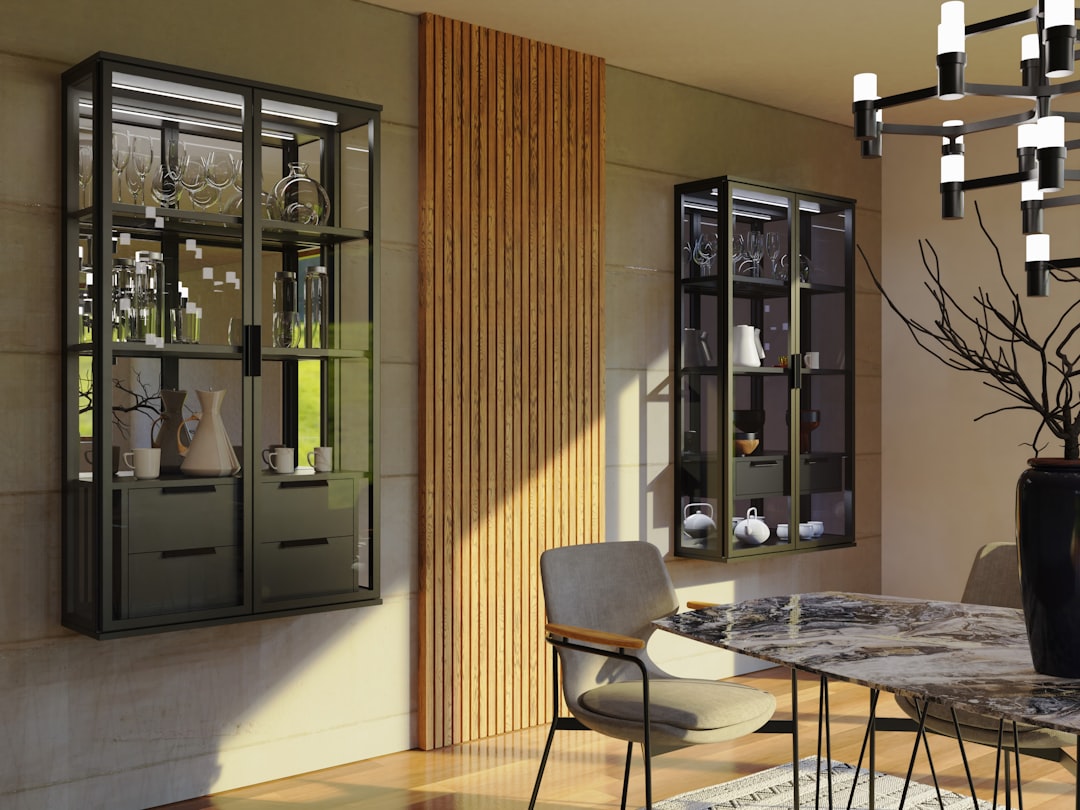
The humidity in Singapore doesn’t just stick to your skin—it creeps into display cabinets, fogging glass and warping wood veneers within months if ventilation isn’t prioritised. Measure your wall space down to the centimetre, accounting for door swings and light switches; a 180cm cabinet might fit your 200cm alcove, but you’ll regret not leaving that 15cm gap for air circulation. Landed homeowners should inspect baseboards for damp-proofing—teak or rubberwood bases resist moisture better than MDF, though they’ll cost $300–$500 more. For HDB flats, modular designs with adjustable shelves let you reconfigure space as collections grow; look for cabinets with mesh-backed panels or discreet side vents near the base. Test materials in person—glass thickness, hinge smoothness, and shelf sturdiness reveal more under scrutiny than online specs. Run a hand along unfinished edges; rough cuts suggest rushed craftsmanship that’ll snag fabrics when rearranging your Limoges porcelain. Open and close doors repeatedly—if the mechanism feels stiff in the showroom, imagine it after six months of Singapore’s humidity. Dark-stained cabinets show dust faster than matte finishes, while glossy surfaces highlight fingerprints—consider who’ll be doing the weekly wiping. For heirloom displays, avoid open-fronted units unless you enjoy dismantling entire shelves to reach the back for cleaning. The right cabinet should disappear into your room’s architecture when empty, then disappear again when filled—drawing attention only to what’s inside. Browse Megafurniture’s
display cabinet rangeto compare how different woods age under consistent aircon versus natural airflow.